


Gold has always occupied a unique position in the global financial system. It is traded actively as a commodity across international exchanges, while at the same time being trusted as a precious investment asset for long-term wealth preservation. From ancient civilizations to modern central banks, gold has been valued for its scarcity, durability, and universal acceptance.
For Indian investors and traders, gold plays a dual role. It acts as a hedge during uncertain times and also offers multiple avenues for investment and trading. This article explains gold as a commodity and as an investment, explores different types of gold investment, highlights its historical return potential, and guides you on how to invest or trade gold effectively.
Gold as a Commodity (Best Commodity to Trade)
Gold is a physical commodity that is mined, refined, and traded globally. Unlike agricultural commodities, gold does not perish and its supply grows slowly, making price movements highly sensitive to macroeconomic factors.
Key Factors Influencing Gold Prices
Global demand and supply: Jewellery demand, industrial usage, and investment demand
Inflation: Rising inflation often pushes investors towards gold
Central bank policies: Interest rates and gold purchases by central banks
Geopolitical risks: Wars, trade tensions, and global uncertainty
Currency movements: Inverse relationship with the US dollar
Gold Trading Instruments
Gold Futures and Options: Actively traded contracts on commodity exchanges
Gold ETFs: Exchange-traded instruments tracking gold prices
Commodity derivatives: Used by traders for hedging and speculation
Because of its liquidity, global pricing, and strong reaction to macro events, gold is widely considered the best commodity to trade for both beginners and experienced traders.
Gold as an Investment
Gold as an investment is primarily about wealth protection rather than aggressive growth. It has consistently acted as a stabilizer in portfolios during market downturns.
Why Investors Choose Gold?
Hedge against inflation and currency depreciation
Portfolio diversification: Low correlation with equities
Safe-haven asset during volatility
High liquidity across physical and digital forms
Gold vs Other Asset Classes
Equities: Higher long-term growth, higher volatility
Fixed Deposits: Capital safety, but inflation-adjusted returns are low
Real Estate: Illiquid and capital intensive
Gold may not always outperform equities, but during crises and inflationary periods, many investors ask: is gold the best investment? From a risk-adjusted and preservation standpoint, gold remains highly relevant.
Types of Gold Investment
Type of Gold Investment | Pros | Cons |
Physical Gold (Coins, Bars, Jewellery) | Tangible asset, emotional value | Storage, purity risk, making charges |
Gold ETFs / Mutual Funds | Easy to trade, no storage issues | Market-linked, demat required |
Sovereign Gold Bonds (SGBs) | Government-backed, interest income | Lock-in period, limited liquidity |
Gold Futures & Options | High leverage, short-term gains | High risk, requires expertise |
Digital Gold / Online Platforms | Small-ticket investment, convenience | Platform risk, not exchange-traded |
Understanding these types of gold investment helps investors align gold exposure with their financial goals and risk appetite.
Why Gold Is Considered a High-Return Investment?
Gold’s strength lies in its long-term consistency rather than short-term spikes.
Over the last 10–20 years, gold prices in India have delivered steady compounded returns, often outperforming inflation.
During economic slowdowns, global crises, and high inflation phases, gold has shown sharp upward movements.
In periods when equity markets struggled, gold provided stability and positive returns.
While gold may not always be the highest-returning asset annually, its risk-adjusted returns make it a strong high return investment over complete market cycles. Returns also vary based on the chosen format—physical gold, ETFs, or derivatives.
How to Invest or Trade Gold?
Step-by-Step Guide for Beginners
Decide whether you want physical, digital, or paper gold
Choose a trusted platform, broker, or authorized dealer
Track global gold prices and macroeconomic trends
Understand taxation: capital gains, GST on physical gold
Tips for Gold Traders
Prefer liquid gold ETFs or futures contracts
Use stop-loss to manage downside risk
Follow global cues like interest rate decisions and currency movements
Gold trading is more suitable for active participants, while long-term investors benefit from staggered investments.
Risks of Investing in Gold
Price volatility: Influenced by global macro events
Purity risk: Especially in physical gold
Opportunity cost: Equities may outperform over long periods
Timing risk: High leverage instruments can magnify losses
Being aware of these risks ensures realistic expectations from gold investments.
FAQs
Is gold the best investment for long term?
Gold is ideal for wealth preservation and diversification, especially during inflation and uncertainty.
How can I invest in gold in India?
You can invest via physical gold, ETFs, mutual funds, SGBs, or digital gold.
What are the best ways to trade gold as a commodity?
Gold futures, options, and ETFs are popular trading instruments.
Does gold provide high returns compared to stocks or real estate?
Gold offers stable, inflation-beating returns but may underperform equities in strong bull markets.
Can I invest in gold digitally without buying physical gold?
Yes, through gold ETFs, mutual funds, SGBs, and digital gold platforms.
Conclusion + Call to Action
Gold is a truly versatile asset. For traders, it is a globally traded commodity offering liquidity and hedging benefits. For investors, it is a precious long-term investment that protects wealth during uncertain times.
Whether you are exploring gold as an investment or looking for the best commodity to trade, informed decisions make all the difference.
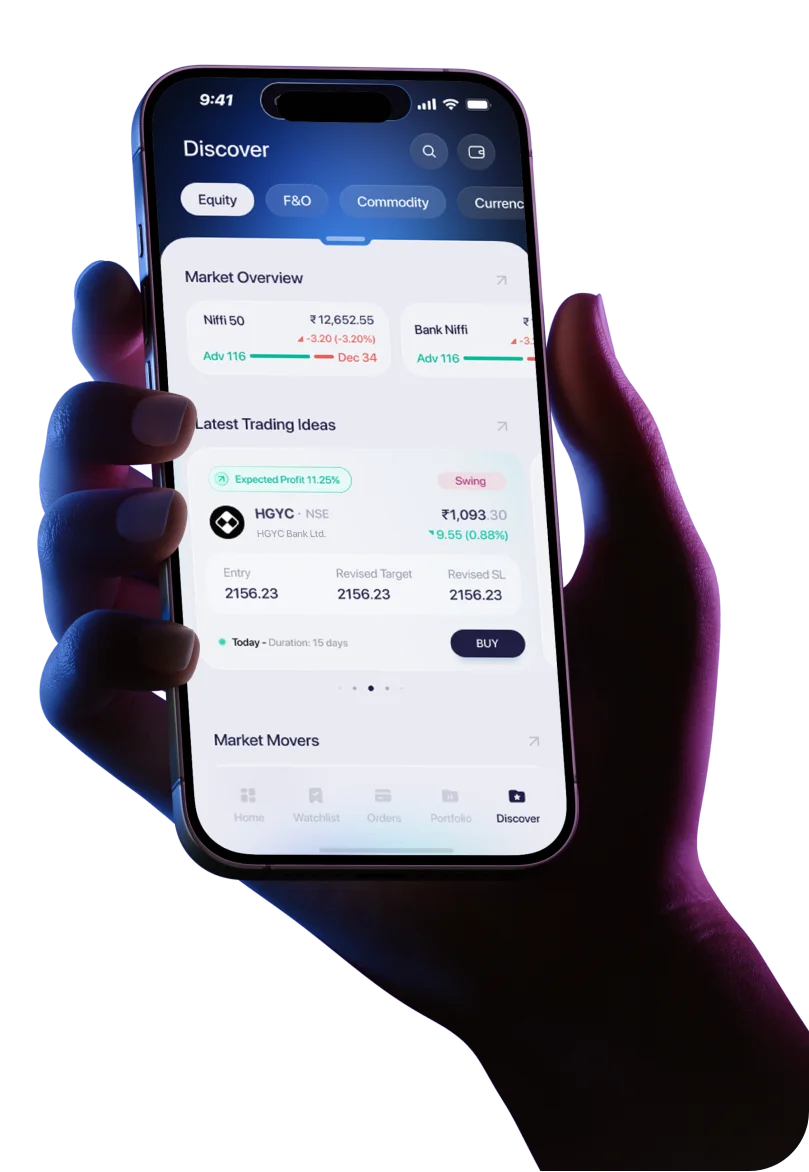
Explore Samco’s commodity trading platform, gold ETFs, and investment tools to build a smarter, well-diversified portfolio with gold at its core.



 Easy & quick
Leave A Comment?