

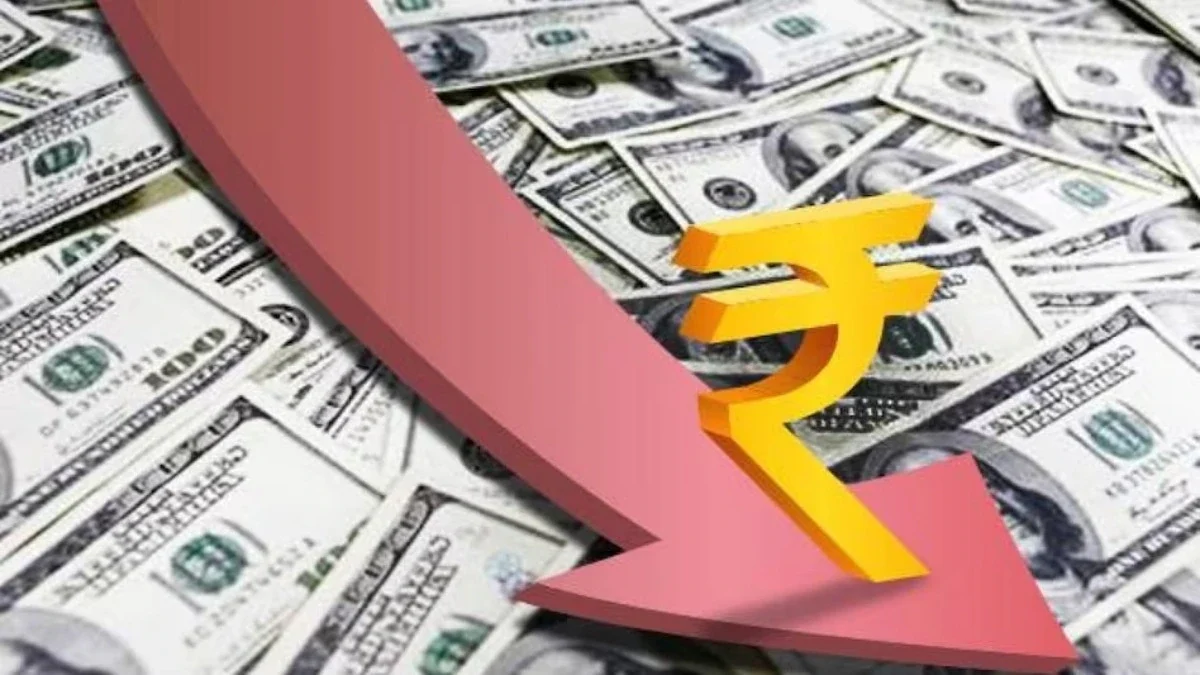
Market Performance: Rupee Weakness Continues in 2025
The Indian Rupee has shown notable weakness in 2025, dropping around 4.7% so far. This underperformance against other global currencies has led to a real effective exchange rate depreciation exceeding 9%.
On Tuesday, the rupee recovered slightly to ₹89.9775 per US dollar at 10:45 a.m. IST, a marginal improvement from its previous close of ₹90.07. Despite this minor recovery, the broader trend reflects ongoing pressure on the currency.
Several factors are influencing this decline, including uncertainties in international trade agreements and pressures on capital flows. The impact is not just limited to forex markets but has wider implications for India’s economy.
Main News: How the Weak Rupee Impacts the Economy
The depreciation of the rupee affects multiple channels of the economy. Here’s a breakdown:
- Sentiment: Exchange rate swings influence both consumer and business confidence. Significant declines in the rupee often translate into weaker sentiment, affecting spending and investment decisions.
- GDP Growth: A weaker currency can impact exports and imports, the components most sensitive to currency movements. Changes in trade flows can affect production, sales, and overall economic growth.
- Inflation: Typically, a weaker rupee raises import costs, contributing to inflation. In the current scenario, however, imported inflation remains relatively moderate, avoiding a sharp rise in overall price levels.
- External Balances: The currency decline affects the current account more than the capital account. Components like trade balance, remittances, and foreign investments adjust gradually, reflecting typical exchange rate effects.
- Fiscal Balances: Government expenditure, particularly on subsidies like fertilizers and LPG, can be influenced by currency depreciation. While some subsidies may rise, the broader fiscal impact remains controlled.
Company Details: Broader Economic Effects
The impact of a weak rupee is not limited to foreign trade. Domestic producers and consumers also feel the effects through changes in input costs, pricing strategies, and demand patterns.
- Exporters may benefit as Indian goods become cheaper in global markets.
- Import-dependent sectors, such as oil and technology, face higher costs, which can feed into pricing adjustments.
- Overall, businesses often adapt by rebalancing supply chains and cost structures to mitigate currency risks.
Summary: The Rupee Outlook in 2025 and Beyond
The rupee rate today highlights the broader economic trend: a moderate but persistent weakening in 2025. Key takeaways include:
- A 4.7% depreciation so far this year
- Real effective exchange rate down by 9%
- Impacts felt across sentiment, GDP, inflation, external balances, and fiscal spending
- Short-term pressures on imports, exports, and consumer behavior
- Overall, the Indian economy shows resilience, with businesses adjusting to manage the weak rupee
As the year progresses, the rupee outlook in 2025 and 2026 will continue to influence policy decisions, trade flows, and macroeconomic trends, making it a critical metric for investors, businesses, and policymakers.




 Easy & quick
Leave A Comment?