Introduction
The world is shifting gears — from fossil fuels to clean, electric-powered mobility. In India, this transformation is not just about cleaner air but also about a massive investment opportunity. Electric Vehicles (EVs) and clean energy companies are at the heart of this revolution, reshaping how we drive, power, and invest.
With rising fuel prices, climate change concerns, and strong government support, India’s EV and renewable energy ecosystem is entering a decade of exponential growth. Investors who recognise this shift early can benefit from structural trends that will define the future of transportation and energy.
The future of investing is electric — here’s why EV and clean energy stocks deserve a place in your portfolio.
The Rise of Electric Vehicles and Clean Energy
India’s EV revolution is gaining speed. The country aims for 30% of vehicles to be electric by 2030, supported by the FAME II scheme and Production-Linked Incentives (PLI) for advanced cell batteries. The Indian EV market, valued at over ₹1.5 lakh crore in FY24, is expected to grow at a CAGR of 40–45% till 2030.
But the EV story goes beyond cars — it includes two-wheelers, buses, charging networks, and renewable energy suppliers. Clean energy sources such as solar, wind, and hydrogen play a key role in powering the EV ecosystem sustainably.
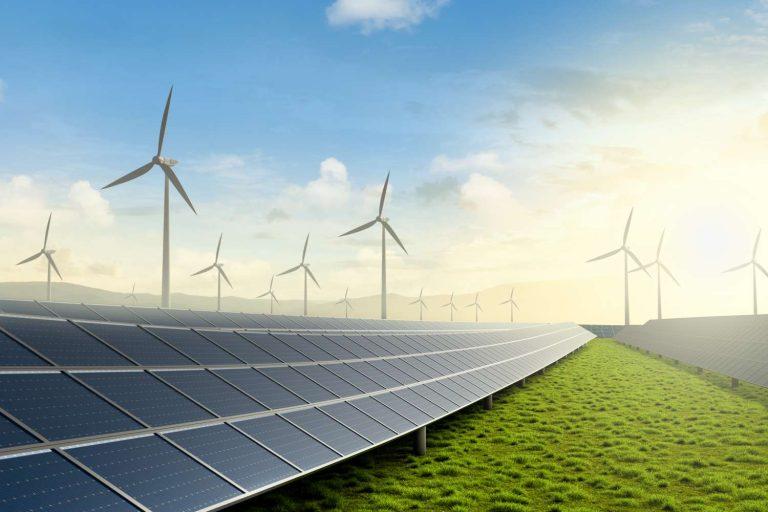
According to NITI Aayog, India’s clean energy capacity is expected to reach 500 GW by 2030, with renewable energy contributing nearly 50% of total power generation. This alignment between EV growth and clean energy adoption is building a strong, long-term foundation for investors.
Why Investors Are Turning Toward EV and Clean Energy Stocks
The global trend toward ESG (Environmental, Social, and Governance) investing has changed how capital flows. Investors now prefer companies aligned with sustainability and clean growth. EV and clean energy companies are direct beneficiaries of this shift.
Government initiatives such as FAME II, PLI for Advanced Chemistry Cells, and the National Green Hydrogen Mission are driving innovation and reducing manufacturing costs. Meanwhile, large corporates like Reliance, Tata, and Adani are investing billions to achieve carbon neutrality.
The EV and clean energy transition touches multiple industries — from automobile makers and battery producers to renewable power generators and charging infrastructure companies. According to the Ministry of Power, India could attract over $200 billion in clean energy investments by 2030.
As NITI Aayog’s 2030 vision states: “India aims to electrify 30% of its vehicles and reduce dependency on fossil fuels by half.”
This structural shift is why smart investors are turning their attention to electric vehicle stocks in India — not just for short-term momentum, but for sustainable, long-term wealth creation.
Importance of Investing in EV Stocks
EV stocks represent more than just a market trend — they symbolise a global transformation in energy, technology, and mobility. For investors, they offer exposure to multiple fast-growing segments driven by innovation and policy support.
Key reasons why EV stocks are important:
Structural Growth: With strong consumer adoption and policy tailwinds, EV demand is expected to grow exponentially through the decade.
Innovation-Driven: Companies leading in battery technology, efficiency, and design will see sustained valuation re-ratings.
Sustainability Focus: EV players align with India’s and the world’s net-zero emission goals.
Policy & Institutional Support: From subsidies to tax incentives, the government is enabling faster EV penetration across vehicle types.
Short-term risks: high R&D costs, supply chain bottlenecks, and policy delays.
Long-term rewards: a multi-decade growth story with compounding returns potential.
Simply put, investing in EV stocks today is like investing in the internet in the 1990s — early adopters stand to benefit the most as the sector matures.
Importance of Clean Energy Companies in the EV Ecosystem
The EV revolution cannot exist without clean energy. Every electric car, scooter, or bus relies on renewable power — making clean energy companies a critical part of the EV value chain.
Key segments include:
Solar & Wind Power Producers: Companies like Adani Green Energy and Tata Power Renewable supply clean electricity for charging infrastructure.
Battery Manufacturers: Exide Industries and Amara Raja Energy are investing heavily in lithium-ion and solid-state batteries.
Charging Infrastructure Providers: Tata Power and ABB India are expanding fast-charging networks across highways and urban centres.
Green Hydrogen Players: Emerging technologies in hydrogen fuel can power heavy commercial vehicles and grid storage solutions.
By investing in these companies, investors can diversify exposure across the EV growth story — not just automakers but the entire clean energy ecosystem. As EV adoption rises, demand for renewable energy, battery storage, and charging networks will multiply, creating a sustainable growth loop that benefits investors over the long term.
Top EV and Clean Energy Stocks in India (Table + Commentary)
|
Company Name |
Sector |
Key Focus Area |
Reason to Watch |
|
Tata Motors |
EV Manufacturing |
Nexon EV & Tiago EV leadership |
Strong first-mover advantage; expanding EV portfolio |
|
Mahindra & Mahindra |
EV & Commercial Vehicles |
e-SUVs and Treo electric 3-wheelers |
Strategic partnerships and growing product pipeline |
|
Tata Power |
EV Infrastructure |
Public and home charging networks |
Integrated presence across power generation and EV infra |
|
Exide Industries |
Batteries |
Lithium-ion investments and recycling |
Backed by global tech partnerships |
|
Adani Green Energy |
Renewable Power |
Solar and wind projects |
One of India’s largest renewable players with visibility |
|
NTPC Green Energy |
Clean Energy |
Renewable capacity expansion |
Government backing and stable cash flows |
|
Amara Raja Energy & Mobility |
Battery Tech |
New giga factory in Telangana |
Early mover in domestic lithium-ion cell production |
|
Olectra Greentech |
Electric Buses |
Public transport electrification |
Strong order book and state government support |
Commentary:
This list highlights the diversified opportunity across the EV and clean energy spectrum — from automakers and battery makers to power producers and infrastructure enablers. Together, they represent India’s emerging green economy.
Key Factors to Consider Before Investing
Before investing in EV or clean energy stocks, investors should evaluate the following factors:
Innovation & R&D Intensity: Companies leading in technology — such as battery efficiency or charging speed — will enjoy durable advantages.
Financial Strength: Look for low-debt companies with strong cash flows to sustain high capital expenditure cycles.
Policy Dependency: Assess how much the business relies on government incentives. Sustainable models should remain viable even if subsidies fade.
Scalability: Firms that can quickly scale production and distribution networks will capture greater market share.
Diversification: Don’t limit exposure to one segment; combine automakers, battery tech, and renewables for balanced growth.
Smart investors analyse long-term fundamentals, not short-term stock price movements.
Challenges and Risks in EV and Clean Energy Investing
While opportunities are vast, the EV and clean energy space also comes with challenges:
Supply Chain Constraints: Battery metals like lithium and cobalt are globally concentrated.
Semiconductor Shortages: Affect EV production timelines.
Regulatory Delays: Frequent policy updates can create temporary uncertainty.
High Capital Requirements: Companies must invest heavily before achieving scale.
Technological Disruption: Rapid innovation may render older technologies obsolete.
Pro Tip: Investors should take a long-term view and avoid chasing short-term EV stock rallies. Focus on consistent performers with solid business models and execution track records.
Future Outlook: Why the Next Decade Belongs to EV and Clean Energy
The next decade will be defined by the twin forces of electrification and decarbonization. According to IEA, global EV sales are expected to cross 45 million units annually by 2030, while India’s renewable capacity will expand by 4–5x in the same period.
With global funds increasingly allocating to green and ESG themes, Indian EV and clean energy companies are well-positioned to attract significant inflows.
For retail investors, the opportunity lies in early positioning — identifying high-quality companies today before the sector achieves mass adoption. EVs and renewables together form a multi-decade growth runway, similar to what IT and telecom offered in the 2000s.
The bottom line: The EV and clean energy transformation isn’t just an environmental movement — it’s a structural investment theme for the next 10–15 years.
Conclusion
India’s EV and clean energy sectors represent the next big compounding story in the making — driven by policy, innovation, and sustainability goals. Investors who understand this structural trend early can participate in one of the fastest-growing sectors of the decade.
Invest smartly — choose fundamentally strong companies with credible execution, financial strength, and innovation depth.
The future is electric, and the opportunity is now.