

Market Performance: Budget 2026 Sets the Tone for FY27
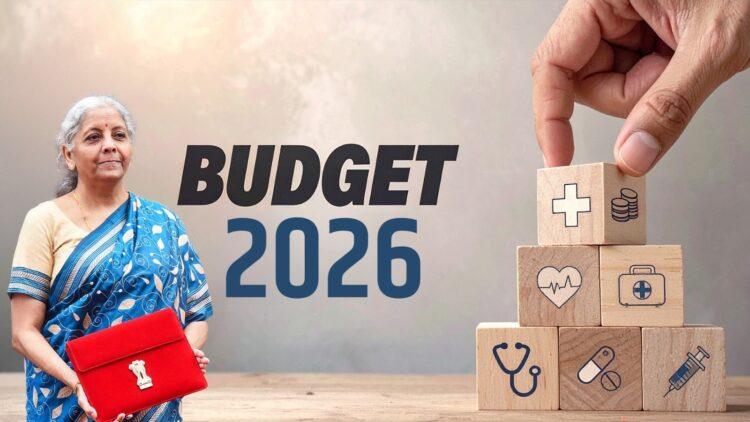
Budget 2026, presented on February 1, marks the third Union Budget of the current government. The tone is steady, not flashy. The focus is clear: infrastructure, capital expenditure, and manufacturing-led growth.
The government has committed ₹12.2 lakh crore towards capital expenditure. That number matters. It signals continuity, fiscal discipline, and a long-term approach rather than short-term stimulus.
From a market sentiment perspective, this budget doesn’t chase momentum. It aims to build confidence.
Prices Shift as Policy Choices Kick In
One of the most visible outcomes of Budget 2026 is the change in prices across everyday and strategic items.
Through a mix of customs duty exemptions, policy support, and duty-free imports, several products are set to become cheaper in FY27. The intent is twofold: support domestic manufacturing and ease cost pressures where they matter most.
At the same time, certain areas face higher costs. These changes are aimed at tightening compliance, reducing tax arbitrage, and reshaping behaviour in select segments.
What Gets Cheaper After Budget 2026
The relief measures are broad-based, touching healthcare, manufacturing, energy, and consumption-linked sectors.
Key items expected to become cheaper include:
-
Personal use of imported goods
-
17 cancer-related drugs and medicines
-
Medicines and food for special medical purposes for 7 rare diseases
-
Leather products, including footwear
-
Textile garments
-
Seafood products
-
Overseas tour packages
-
Lithium-ion cells are used in batteries
-
Solar glass
-
Critical minerals
-
Biogas-blended CNG
-
Aircraft manufacturing components
-
Microwave ovens
-
Foreign education
The common thread here is clear. Healthcare access, clean energy inputs, and manufacturing-linked components are getting policy support.
What Becomes Costlier in FY27
Not everything gets relief.
Budget 2026 also introduces higher costs in areas where tighter regulation and tax compliance are the priority.
Items expected to turn costlier include:
-
Alcohol
-
Cigarettes
-
Components used in nuclear power projects
-
Minerals such as iron ore and coal
-
Penalties linked to misreporting of income tax
-
Stock options and futures trading
The increase in transaction-related costs reflects a more disciplined approach toward financial market activity and tax reporting.
Company and Sector-Level Context
While no sector-specific incentives are spelled out, the budget clearly tilts toward:
-
Infrastructure development
-
Manufacturing ecosystems
-
Strategic industries like semiconductors and bio-pharma
Higher transaction costs in trading-related activities may weigh on short-term sentiment. However, the broader framework prioritises stability over speculation.
This approach broadens the economic base rather than favouring a narrow set of sectors.
Summary: Budget 2026 Is About Stability, Not Surprises
Budget 2026 doesn’t try to impress with sharp turns. It stays predictable.
-
₹12.2 lakh crore capex anchors long-term growth
-
Essential goods like medicines, energy inputs, and manufacturing components get cheaper
-
Trading-related and compliance-linked activities face higher costs
-
The focus remains on fiscal discipline and structural growth
It’s a budget designed to shape FY27 quietly, not dramatically. And in markets, that kind of consistency often matters more than noise.
Source: Livemint