

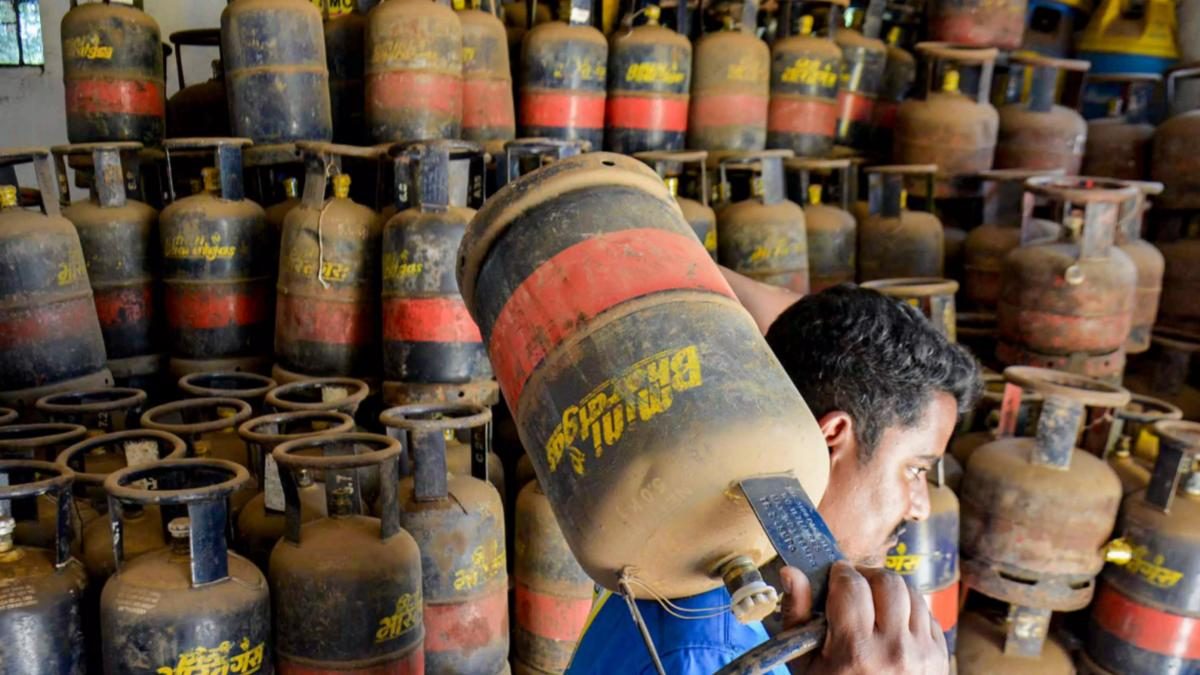
Shares of quick-service restaurants (QSRs) are trading close to their 52-week lows as a commercial LPG supply crunch begins to weigh on the sector. The shortage, driven by supply chain issues linked to the Strait of Hormuz and the ongoing Middle East conflict, has created operational stress for restaurant chains that rely heavily on LPG for daily cooking.
For the QSR sector, LPG is not just another fuel input. It is the backbone of quick-service restaurant kitchens — powering ovens, fryers, grills, and rapid cooking lines that allow restaurants to serve food quickly.
As the LPG supply disruption spreads across the system, investors are closely tracking the impact on QSR stocks, many of which are already hovering near their lowest levels of the year.
Market Performance
The pressure on QSR stocks became visible in trading sessions on March 13, as several quick-service restaurant companies slipped closer to their 52-week lows.
The weakness across the quick-service restaurant sector comes as the commercial LPG shortage begins to affect operations across restaurant networks.
Some stocks in the space have already declined by up to 7%, reflecting growing concerns about operational challenges and profit margin pressure if the LPG supply crunch continues.
Key listed players such as:
- Sapphire
- Westlife FoodWorld
have already touched 52-week lows, while other QSR companies are trading close to those levels.
The decline signals how sensitive QSR stocks are to disruptions in energy supply chains, especially when it comes to essential cooking fuel like LPG.
Main News: LPG Supply Crunch Weighs on QSR Operations
The current situation stems from supply chain disruptions in the Strait of Hormuz, a key maritime route used for transporting energy supplies across global markets.
The disruption comes at a time when India depends heavily on LPG imports, especially from the Gulf region.
India previously sourced its LPG supplies as follows:
- Around 60% imported from Gulf countries such as
- Qatar
- UAE
- Saudi Arabia
- Kuwait
- About 40% produced domestically
Any disturbance in international shipping routes or supply flows can therefore quickly affect domestic availability.
This is exactly what the quick-service restaurant sector is now facing.
Government Steps to Stabilise LPG Supply
To prevent hoarding and ensure supply reaches businesses, the government has taken a step to stabilise the situation.
Authorities announced that:
- 20% of the average monthly commercial LPG requirement will be allocated
- The allocation will be handled by oil marketing companies (OMCs)
- Distribution will be coordinated with state governments
The objective of this decision is to maintain availability and prevent black marketing of commercial LPG cylinders.
Such measures aim to keep supply moving to businesses that depend heavily on LPG — including quick-service restaurant kitchens.
Operational Challenges for Quick-Service Restaurants
For quick-service restaurants, the LPG shortage is not a minor inconvenience. It directly affects how kitchens operate every day.
QSR kitchens depend on large and continuous LPG supply to run their cooking infrastructure.
In most outlets, LPG powers:
- High-temperature fryers
- Industrial ovens
- Large grills
- Fast-paced cooking lines
If LPG cylinders become harder to source, restaurants may face several operational adjustments.
Possible operational challenges include:
- Reduced operating hours
- Limited menu options
- Temporary outlet closures in extreme cases
These disruptions could affect the daily service model that quick-service restaurants rely on to maintain speed and consistency.
Impact on Profit Margins in the QSR Sector
The commercial LPG supply crunch is also raising concerns about cost pressures in the QSR industry.
Commercial LPG cylinder prices have already increased by 8% month-on-month in March, adding another layer of pressure to restaurant operations.
Higher fuel costs can affect multiple parts of the business:
- Kitchen operating expenses
- Restaurant-level profit margins
- Overall operational efficiency
For companies operating large restaurant networks, fuel expenses can become a significant component of daily running costs.
High LPG Consumption in QSR Kitchens
Unlike many other businesses, quick-service restaurant chains operate hundreds of outlets, each consuming LPG cylinders regularly.
Because of the scale of operations:
- Each outlet requires continuous LPG supply
- Daily cooking operations depend on multiple cylinders
- Large restaurant networks consume substantial LPG volumes across locations
Even with centralised procurement systems and multiple suppliers, a system-wide decline in LPG availability can create logistical challenges.
Company Details: Revenue Impact Estimates
The LPG supply crunch has also triggered estimates about how disruptions might affect restaurant operations financially.
Possible revenue impact estimates include:
- Westlife FoodWorld: around ₹8 lakh
- Restaurant Brands Asia: around ₹5 lakh
- Sapphire: around ₹5 lakh
- Devyani International: around ₹4 lakh
- Pizza Hut outlets operated by Sapphire: around ₹2 lakh
These figures reflect potential revenue impact from operational disruptions caused by LPG shortages.
Why LPG Is Critical for the QSR Industry
The quick-service restaurant industry depends on speed, consistency, and high-volume cooking.
Unlike traditional restaurants that may rely on varied cooking methods, QSR kitchens operate in a tightly structured system.
Most menu items are prepared using equipment powered by commercial LPG, including:
- Fryers for fast food items
- Grills for burgers and sandwiches
- Ovens used for baked products
- Rapid cooking systems designed for quick service
This dependence makes LPG supply stability crucial for the QSR sector.
Even small disruptions can ripple across restaurant networks.
Summary
The commercial LPG supply crunch has pushed QSR stocks close to their 52-week lows, as supply chain disruptions linked to the Strait of Hormuz and Middle East conflict affect fuel availability.
Key companies in the quick-service restaurant sector, including Sapphire and Westlife FoodWorld, have already touched their yearly lows, while others continue trading near those levels.
The shortage has created operational challenges for quick-service restaurant kitchens, which rely heavily on LPG to run ovens, fryers, and grills.
At the same time, commercial LPG prices have risen 8% in March, adding pressure on restaurant operating costs and profit margins.
With India importing around 60% of its LPG from Gulf countries and producing 40% domestically, any disruption in global supply routes can quickly influence domestic availability.
The government has stepped in by allocating 20% of the average monthly commercial LPG requirement through oil marketing companies, aiming to prevent hoarding and ensure supply distribution across states.
As the situation unfolds, the quick-service restaurant sector is continuing to manage the operational challenges arising from the LPG supply disruption.



 Easy & quick
Leave A Comment?