

Key Highlights
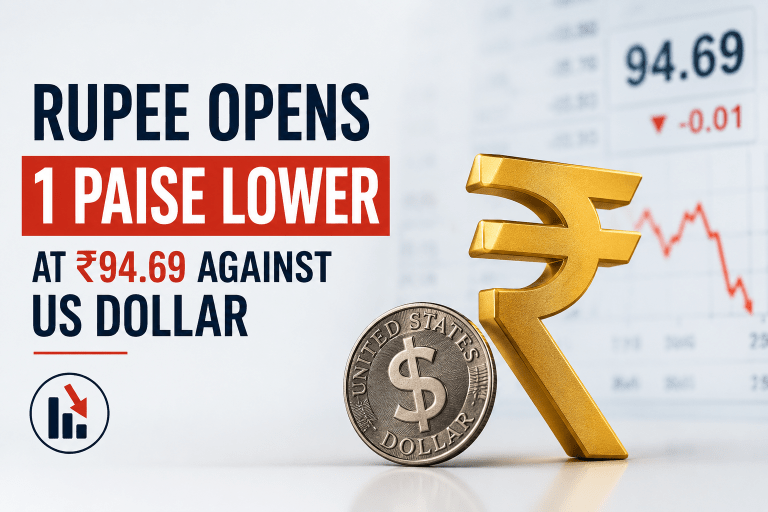
- The Indian Rupee opened marginally lower against the US Dollar in early trade.
- Currency movements remain influenced by crude oil prices, US Federal Reserve expectations, foreign fund flows, and global risk sentiment.
- A weaker rupee can impact import-dependent sectors while benefiting export-oriented industries.
- Investors should monitor currency trends alongside broader economic indicators.
Introduction
The Indian Rupee opened slightly lower against the US Dollar in early trading, reflecting ongoing global currency market dynamics. While a one-paise movement may appear insignificant, fluctuations in the rupee-dollar exchange rate are closely watched by investors, businesses, policymakers, and market participants because they can influence inflation, corporate earnings, imports, exports, and foreign investment flows.
Currency markets often react to multiple factors simultaneously, including interest rate expectations, geopolitical developments, crude oil prices, economic data releases, and investor sentiment. For emerging market currencies like the Indian Rupee, changes in global risk appetite can also play an important role.
Understanding how the rupee moves and what drives those movements can help investors make more informed decisions while interpreting broader market developments.
Why the Rupee-Dollar Exchange Rate Matters
The exchange rate between the Indian Rupee and the US Dollar affects several aspects of the economy.
Impact on Imports
India imports significant quantities of crude oil, electronics, machinery, and other goods. When the rupee weakens against the dollar, importing these products becomes more expensive.
Higher import costs may eventually lead to:
- Increased business expenses
- Higher fuel prices
- Inflationary pressure
- Reduced profit margins for some industries
Impact on Exports
A weaker rupee can benefit export-oriented businesses because their overseas earnings translate into more rupees when converted back into the domestic currency.
Industries that often benefit include:
- Information Technology (IT)
- Pharmaceuticals
- Textile exporters
- Specialty chemical companies
Impact on Foreign Investments
Global investors closely monitor currency stability when allocating capital to emerging markets.
Sharp currency fluctuations can influence:
- Foreign Portfolio Investment (FPI) flows
- Institutional investor sentiment
- Bond market participation
- Equity market valuations
What Influences Rupee Movement?
The value of the rupee is determined by demand and supply dynamics in the foreign exchange market.
Several factors influence these movements.
1. Crude Oil Prices
India is one of the world’s largest crude oil importers.
When oil prices rise:
- Demand for US Dollars typically increases.
- Import bills become larger.
- Pressure on the rupee may increase.
Conversely, lower crude prices can provide support to the domestic currency.
2. US Federal Reserve Policy
The US Federal Reserve’s interest rate decisions often influence global capital flows.
Higher US interest rates may:
- Strengthen the US Dollar
- Attract global capital toward US assets
- Create pressure on emerging market currencies
Market participants therefore closely monitor comments from Federal Reserve officials and economic data from the United States.
3. Foreign Portfolio Investor Activity
Foreign investors play an important role in Indian financial markets.
When FPIs invest in Indian equities and bonds:
- Demand for rupees generally increases.
When FPIs withdraw funds:
- Demand for dollars rises.
- Currency volatility may increase.
4. Economic Growth Expectations
Strong economic growth can improve investor confidence and support currency stability.
Key indicators include:
- GDP growth
- Industrial production
- Inflation data
- Employment figures
- Fiscal deficit trends
How a Weak Rupee Impacts Different Sectors
Not all industries are affected equally by currency movements.
Sectors That May Benefit
Information Technology
Indian IT companies earn a significant portion of their revenue from overseas markets.
A weaker rupee can enhance revenue realization when foreign earnings are converted into Indian currency.
Pharmaceutical Exporters
Many pharmaceutical companies generate export revenue from regulated markets such as the US and Europe.
Currency depreciation may improve earnings visibility for export-focused businesses.
Specialty Chemicals
Several chemical manufacturers have strong export businesses and may benefit from favorable currency trends.
Sectors That May Face Challenges
Aviation
Airlines often incur expenses denominated in US Dollars, including fuel and aircraft lease payments.
A weaker rupee can increase operating costs.
Oil Marketing Companies
Higher import costs can influence profitability and pricing dynamics.
Consumer Electronics
Many electronic components and finished products are imported, making the sector sensitive to exchange rate movements.
Rupee Trends and Inflation
Currency movements can influence inflation through imported goods and commodities.
Imported Inflation
When the rupee weakens:
- Fuel becomes more expensive.
- Transportation costs may increase.
- Manufacturing expenses may rise.
These factors can contribute to inflationary pressure within the economy.
RBI’s Role
The Reserve Bank of India (RBI) monitors currency markets closely.
Its objectives include:
- Maintaining orderly market conditions
- Managing excessive volatility
- Supporting financial stability
The RBI may intervene in foreign exchange markets when necessary to smooth sharp fluctuations.
What Investors Should Watch Going Forward
Several indicators can provide clues regarding future currency movements.
Crude Oil Prices
Oil remains one of the most important variables affecting India’s external balance.
US Economic Data
Investors often track:
- Inflation reports
- Employment numbers
- GDP growth
- Federal Reserve commentary
FPI Flows
Consistent foreign investment can provide support to both the rupee and domestic financial markets.
Geopolitical Developments
Global events can quickly influence risk sentiment and currency markets.
How Currency Movements Affect Equity Markets
Exchange rate fluctuations often have sector-specific implications for stock markets.
Positive Impact Areas
- Export-oriented businesses
- Global technology services companies
- Pharmaceutical exporters
Potentially Negative Impact Areas
- Import-intensive industries
- Companies with foreign debt obligations
- Aviation and fuel-sensitive businesses
Investors frequently evaluate earnings sensitivity to exchange rates when assessing companies.
Long-Term Perspective on the Rupee
Short-term currency fluctuations are common and often driven by global events.
However, long-term currency performance generally depends on:
- Economic growth
- Productivity improvements
- Trade balance
- Fiscal discipline
- Foreign investment inflows
A strong economic foundation can support currency stability over extended periods.
Frequently Asked Questions
Why did the rupee open lower against the US Dollar?
Currency movements are influenced by factors such as crude oil prices, global risk sentiment, foreign fund flows, and expectations regarding US interest rates.
Is a weaker rupee always negative?
Not necessarily. While it can increase import costs, it may also benefit export-oriented industries such as IT and pharmaceuticals.
How does the rupee affect stock markets?
Different sectors react differently. Export-focused companies may benefit from currency depreciation, while import-dependent businesses may face cost pressures.
Does the RBI control the rupee exchange rate?
The RBI does not fix the exchange rate but may intervene in currency markets to manage excessive volatility and maintain orderly market conditions.
Should retail investors worry about daily currency movements?
Short-term fluctuations are common. Investors typically focus on broader economic trends, sector implications, and long-term investment objectives.
Final Thoughts
The Indian Rupee’s movement against the US Dollar remains an important indicator for investors, businesses, and policymakers. Even small changes in the exchange rate can have wider implications for inflation, trade, corporate earnings, and market sentiment.
While short-term fluctuations often reflect global developments and investor positioning, long-term currency trends are influenced by economic fundamentals and capital flows.
Investors should monitor currency developments alongside broader market indicators, sector-specific trends, and macroeconomic data to better understand their potential impact on portfolios and investment decisions.
Disclaimer
This article is intended for educational and informational purposes only. It should not be construed as investment advice, a recommendation, or a solicitation to buy or sell any financial instrument. Investments in securities markets are subject to market risks. Investors should conduct their own research and consult a SEBI-registered investment adviser before making investment decisions.