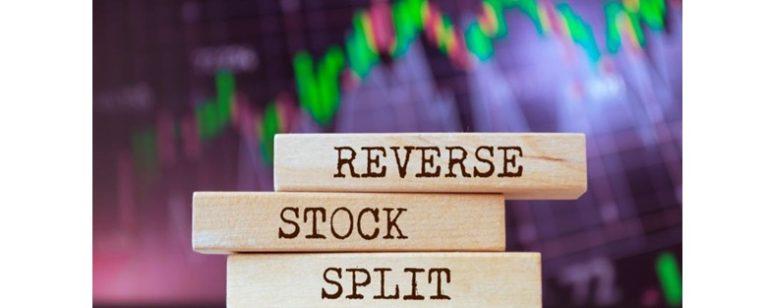
Reverse stock splits are corporate actions where companies reduce their total number of outstanding shares. As a result, the share price rises proportionally to compensate for the reduction in shares.
Understanding reverse stock splits is important for every investor. This is because they affect share price, liquidity, and market perception. In this article, we will cover the basics of this corporate action, including its benefits and drawbacks. We will also look at a real-world example of a reverse stock split in India.
What is a Reverse Stock Split?
A reverse stock split is when a company consolidates its equity share capital by reducing the total number of outstanding shares. It is done by merging multiple equity shares into one equity share. To compensate, the share price is also increased proportionally, so the total value held by shareholders and the company’s market capitalisation stays the same.
The ratio in which the shares are to be merged is decided by the company. For example, it could be a 1:5 reverse split or a 1:10 reverse split. In a 1:10 split, every 10 shares become 1 share, and the price increases by 10 times.
Reverse Split vs. Regular Split
A regular stock split increases the number of shares and reduces the price. A reverse stock split does the opposite by reducing the number of shares and increasing the price.
Why Companies Conduct Reverse Stock Splits?
Now that you know what a reverse stock split is, let us look at why companies opt for this corporate action.
-
Maintain Minimum Share Price for Listing
Stock exchanges like the Bombay Stock Exchange (BSE) and the National Stock Exchange (NSE) require shares to meet a minimum price threshold. A reverse split helps companies stay compliant with these listing requirements.
-
Improve Perceived Stock Value
Institutional investors often avoid low-priced stocks. Reverse stock splits raise the share price, making stocks appear more attractive to larger, professional investors.
-
Reduce Volatility and Administrative Costs
Low-priced shares tend to experience higher price volatility. Consolidating shares reduces volatility and lowers the administrative burden of managing a large number of low-value shares.
-
Defensive Strategy Against Delisting
When a stock price falls too low, exchanges may threaten delisting. Reverse stock splits are often used as a defensive measure to bring the price back above the minimum threshold.
Impact on Retail vs. Institutional Investors
Institutional investors may respond positively to a higher share price. However, retail investors should be cautious because a reverse split does not improve the underlying financial health of the company.
Benefits of Reverse Stock Splits
While reverse stock splits are often viewed with caution, they do offer certain advantages for companies and, in some cases, investors.
-
Enhances Corporate Image
A higher share price can improve how the market perceives a company. It signals stability and can help shed the image associated with low-priced or penny stocks.
-
Helps Meet Listing Requirements
The BSE and the NSE have minimum share price requirements for listed companies. A listed company whose shares fall below the minimum requirements can be delisted. Reverse stock splits can help a company meet these thresholds and maintain its position on the exchange.
-
Attracts Institutional Investors
Many institutional investors have mandates that restrict them from investing in penny or low-priced stocks. A higher post-split share price makes the stock eligible for consideration by these larger investors.
Drawbacks and Investor Considerations
Reverse stock splits are not without their downsides. Investors should carefully consider the following risks before making any decisions.
-
Can Signal Financial Distress
A reverse stock split that is done to avoid delisting often raises red flags. It may indicate that the company is struggling financially and cannot organically grow its share price.
-
May Reduce Liquidity
Post reverse stock splits, there will be fewer shares in the market. This can mean lower trading volumes and reduced liquidity, which can make it harder for investors to buy or sell shares at their desired price.
-
No Immediate Financial Gain
There is no immediate financial gain for shareholders as they retain the same total investment value after a reverse split. The number of shares decreases, but the proportional value of each holding remains exactly the same.
-
May Create Negative Market Perception
The stock market may react negatively to reverse stock splits. Investors may interpret the action as a sign of weakness, which could lead to a decline in confidence and share prices.
Examples of Reverse Stock Splits in India
If you are looking for an example of a reverse stock split in India, the following table can give you information on some of the key companies that executed the corporate action in the recent past.
|
Company |
Reverse Split Ratio |
Date |
Reason |
|
Colorchips New Media Ltd. |
5:1 |
June 12, 2024 |
The split was intended to improve the stock’s profile and reduce its classification as a penny stock on the exchanges. |
|
Vertoz Limited |
10:1 |
June 25, 2025 |
The reverse stock split was done to restructure the company’s equity, similar to its other subsidiaries. |
|
Synthiko Foils Limited |
2:1 |
October 17, 2025 |
The reverse split was done to boost the share price and improve market perception through the reorganisation of equity. |
|
Caspian Corporate Services Limited |
10:1 |
December 29, 2025 |
The move was to reverse a previous split and improve the company’s overall perception in the market. |
How Reverse Stock Splits Affect Shareholders?
Understanding the impact of reverse stock splits on shareholders is essential before making any investment decisions.
-
Total Investment Value Remains Unchanged
A reverse split does not alter the total value of a shareholder’s investment. While the investor holds fewer shares after the split, each share is worth more than before.
-
Impact on EPS and Market Perception
Reverse stock splits increase Earnings Per Share (EPS). This is because the same earnings are divided across fewer shares. However, this does not reflect any real improvement in the company’s financial performance.
-
Liquidity Issues for Small Investors
Fewer shares in the market can create liquidity challenges. Small investors may find it harder to trade their holdings without significantly impacting the share price.
Example of a Reverse Stock Split
Suppose an investor holds 1,000 shares at Rs. 10 each. The total investment value is Rs. 10,000. After a 1:10 reverse stock split, the same investor now holds 100 shares at Rs. 100 each. The total investment value remains the same at Rs. 10,000.
Key Takeaways and Tips for Investors
Here are some important points to keep in mind when evaluating a company that has announced or executed a reverse stock split.
-
Do Not Assume Automatic Improvement
A higher share price after a reverse split does not mean the company is performing better. The underlying financials remain the same, and the stock may continue to underperform.
-
Analyse the Financial Health of the Company
Before investing in companies that have announced reverse stock splits, study their revenue, debt levels, and profitability. A reverse split alone does not resolve any underlying financial challenges the company may be facing.
-
Consider Market Perception and Liquidity
A reverse split can negatively affect market sentiment and reduce trading volumes. Investors should assess liquidity levels and overall market perception before making any post-split investment decisions.
FAQs
-
What is a reverse stock split, and how does it work?
A reverse stock split is when a company merges multiple shares into one. This reduces the total share count and increases the price proportionally. However, the total investment value of shareholders remains unchanged.
-
What is the difference between a reverse stock split and a regular stock split?
A regular stock split raises the number of outstanding shares and reduces the price proportionally. A reverse stock split reduces the number of shares and increases the price proportionally.
-
Are reverse stock splits good or bad for investors?
Reverse stock splits are neither good nor bad for investors. They do not change the investment value but may signal financial distress, reduced liquidity, and negative market perception.
-
Can a reverse stock split increase the stock price in the long term?
A reverse stock split increases the share price immediately. However, long-term price performance depends entirely on the company’s financial health and business fundamentals, not the split itself.
Conclusion
With this, you must now be aware of what a reverse stock split is. It is a highly unique corporate action that reduces the number of outstanding shares while increasing the share price. Companies use it to meet listing requirements, improve market perception, and attract institutional investors.
However, they can also indicate inherent financial distress and reduce liquidity for investors. If you wish to track reverse stock splits and other corporate actions, consider using Samco’s trading platform and tools, as they can help you make informed investment decisions.