Introduction
When a global brokerage cuts its outlook on a leading airline stock, markets pay attention.
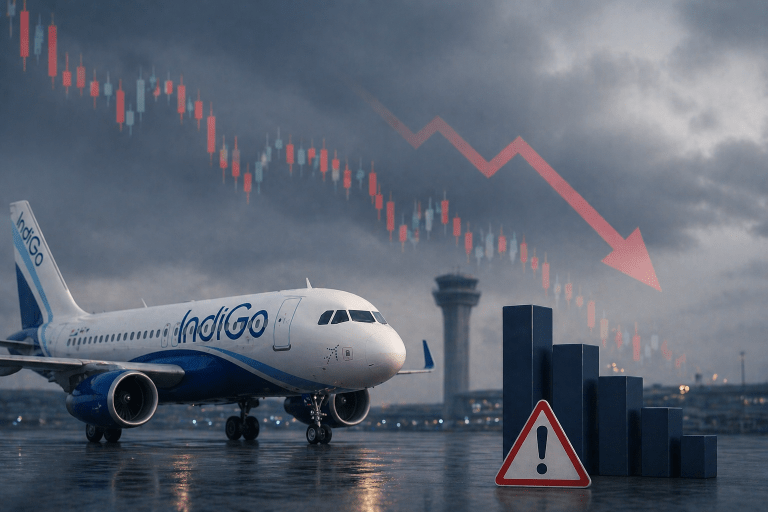
Recently, UBS downgraded its stance on IndiGo (InterGlobe Aviation), citing emerging risks—triggering caution among investors.
But here’s the real question:
👉 Is this just a short-term concern—or a signal of deeper structural challenges?
Because in aviation, small cost changes can significantly impact long-term performance.
What Happened?
UBS downgraded the stock and reduced its target price, reflecting a more cautious outlook.
👉 While the company continues to hold a strong market position, analysts are now factoring in higher risks and uncertainties.
Why Are Analysts Turning Cautious?
1. Rising Cost Pressures
Airlines operate in a cost-sensitive environment.
Key cost drivers include:
- Fuel prices
- Currency fluctuations
- Operational expenses
👉 Even small increases in these can impact profitability significantly.
2. Operational Challenges
Recent disruptions in the aviation sector have highlighted:
- Capacity constraints
- Crew and regulatory challenges
- Execution risks in scaling operations
👉 These factors can create short-term volatility and investor concern.
3. Industry-Wide Headwinds
The aviation sector globally faces:
- Volatile fuel prices
- Supply chain issues (aircraft availability, engines)
- Competitive pricing pressures
👉 This makes earnings less predictable compared to other sectors.
The Bigger Insight: Aviation Is a High Operating Leverage Business
This is key
Small cost increase → Large impact on margins
That’s why:
- Brokerages react quickly to cost changes
- Target price revisions are common in aviation
What This Means for Investors
Instead of focusing on the downgrade itself, focus on:
1. Cost Structure Sensitivity
How exposed is the business to fuel and currency changes?
2. Demand vs Capacity Balance
Can the airline maintain pricing power?
3. Execution Capability
Is the company able to scale without operational disruptions?
Common Mistakes Investors Make
❌ Reacting instantly to broker downgrades
❌ Ignoring long-term industry structure
❌ Overlooking cost volatility in aviation
❌ Treating airline stocks like stable compounders
A Smarter Way to Read Broker Downgrades
✔ Understand why the downgrade happened
✔ Separate short-term concerns from long-term story
✔ Track industry-wide trends, not just one company
✔ Avoid emotional reactions to analyst reports
Conclusion
Broker downgrades don’t always signal a problem—but they do highlight risk perception.
The key takeaway:
Downgrades reflect caution
Understanding risks builds conviction
In sectors like aviation, staying informed about cost dynamics and execution is far more important than reacting to headlines.
Disclaimer
This content is for educational purposes only and should not be construed as investment advice or a recommendation to buy or sell any securities. Investors should conduct their own research or consult a financial advisor before making any investment decisions.