Introduction
Global markets are once again reacting to geopolitics.
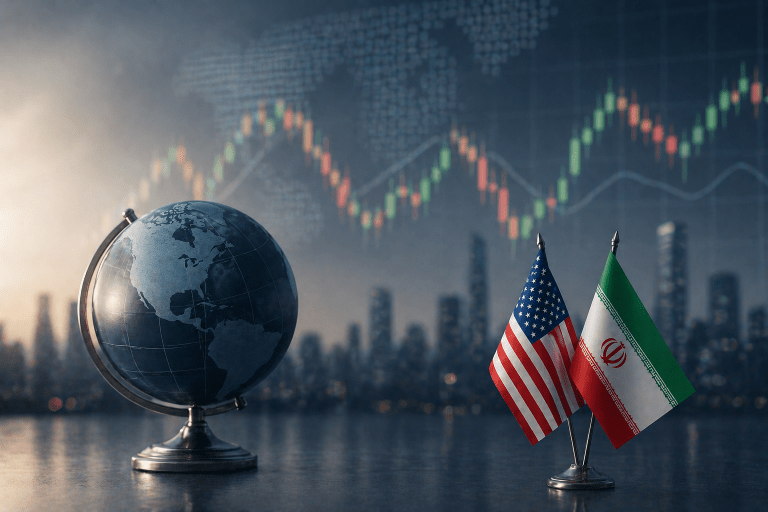
On April 27, US stock futures remained largely steady as US–Iran peace talks showed no progress, keeping investors cautious.
But here’s the real question:
👉 Why do geopolitical events impact markets so quickly—and what should investors actually focus on?
Because market reactions are often immediate—but not always meaningful for long-term investing.
What Happened in the US Markets?
- US stock futures showed muted movement
- Investors remained cautious amid stalled peace negotiations
- Markets are also watching:
- Corporate earnings
- Upcoming Federal Reserve signals
👉 This indicates a wait-and-watch environment, not panic.
Why Markets Are Reacting to US–Iran Talks
1. Geopolitical Uncertainty = Market Uncertainty
When global conflicts escalate or negotiations stall:
- Risk perception increases
- Investors reduce aggressive bets
- Markets become range-bound
👉 This is why futures remained flat rather than sharply falling.
2. Oil Prices Become the Key Trigger
Stalled talks have led to:
- Rising oil prices
- Supply concerns in global energy markets
👉 Higher oil prices can:
- Increase inflation
- Impact global economic growth
- Influence central bank decisions
3. Earnings vs Geopolitics Tug of War
Interestingly:
- Strong corporate earnings are supporting markets
- But geopolitical risks are limiting upside
👉 This creates a balanced but uncertain market setup
The Bigger Insight: Markets Are Not Falling—They Are Pausing
This is important 👇
Markets are not reacting with panic
They are adjusting expectations
This suggests:
- No immediate crisis pricing
- But rising caution among investors
What Investors Should Actually Track
Instead of reacting to headlines, focus on:
1. Interest Rate Outlook
Geopolitical tensions → inflation risk → central bank response
2. Commodity Prices
Oil and energy prices act as early indicators of stress
3. Market Breadth & Participation
Are gains broad-based or limited to select sectors?
Common Mistakes Investors Make
❌ Reacting to every geopolitical headline
❌ Assuming short-term events define long-term trends
❌ Ignoring macro indicators like oil and rates
❌ Overestimating immediate impact on equities
A Smarter Way to Interpret Global Market Moves
✔ Separate short-term noise vs long-term trend
✔ Track macro indicators, not just headlines
✔ Stay disciplined during uncertainty
✔ Avoid emotional reactions to global events
Conclusion
Markets don’t just move on data—they move on perception.
The current situation highlights:
- Uncertainty is rising
- But panic is absent
Headlines create volatility
Fundamentals drive long-term returns
Understanding this difference is what separates reactive traders from informed investors.
Disclaimer
This content is for educational purposes only and should not be construed as investment advice or a recommendation to buy or sell any securities. Investors should conduct their own research or consult a financial advisor before making any investment decisions.