

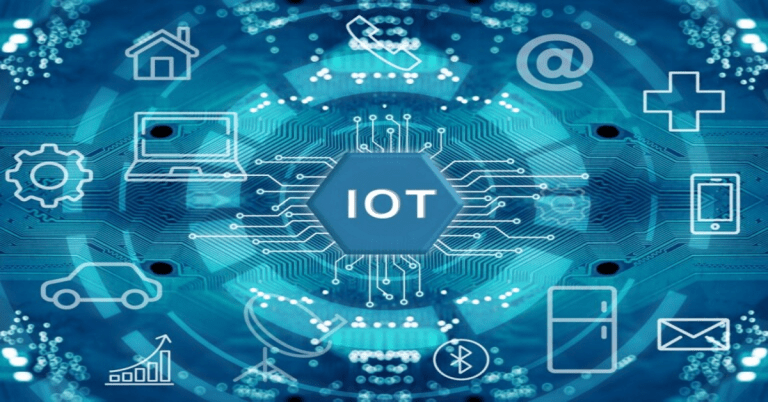
The Internet of Things (IoT) refers to a network of connected devices that collect, transmit, and analyse data to automate processes and improve efficiency. These devices range from smart home appliances and wearable health monitors to industrial sensors, connected vehicles, and intelligent power systems. By linking physical devices to digital networks, IoT enables real-time monitoring, predictive analytics, and smarter decision-making across industries.
Over the past decade, the adoption of IoT technologies has accelerated rapidly, driven by advancements in 5G connectivity, artificial intelligence, cloud computing, and edge analytics. Companies across manufacturing, healthcare, transportation, and infrastructure are increasingly deploying connected devices to improve productivity, reduce operational costs, and enhance operational visibility.
As connectivity becomes ubiquitous, IoT is shaping the future of business and technology. For investors, this transformation presents a long-term structural opportunity. Companies enabling automation, connected devices, and intelligent infrastructure may benefit significantly from this trend. Here are some of the best Internet of Things (IoT) stocks to watch in 2026.
What Are IoT Stocks?
IoT stocks are shares of companies that develop technologies for the Internet of Things ecosystem. These companies create hardware, software platforms, connectivity infrastructure, and services that allow devices to communicate, exchange data, and automate processes.
An Internet of Things stock is typically a publicly listed company whose products or services enable connected devices or IoT applications. These businesses may operate at different levels of the IoT value chain.
Some companies are considered core IoT players, producing key components such as sensors, microcontrollers, connectivity modules, and device management platforms. These technologies allow machines, vehicles, and consumer electronics to connect to networks and generate data.
Other firms are indirect beneficiaries of IoT growth. These include cloud service providers that store and process device data, telecom companies that provide network connectivity, and analytics companies that extract insights from IoT-generated information.
As industries adopt connected technologies at scale, demand for IoT infrastructure, device management platforms, and automation systems continues to increase. This growth can translate into higher revenue opportunities and scalable business models for companies participating in the IoT ecosystem.
Why IoT Is an Important Investment Theme for 2026
The Internet of Things has emerged as one of the most powerful technological megatrends shaping the global economy. Several structural drivers are supporting the rapid expansion of IoT adoption across industries.
One major factor is the growing number of smart devices. Consumer products such as smart thermostats, connected home appliances, wearable health devices, and home security systems are becoming increasingly common. At the same time, businesses are deploying IoT-enabled equipment to monitor operations, track assets, and improve efficiency.
Another important catalyst is the expansion of 5G connectivity. Compared with earlier wireless technologies, 5G offers faster speeds, lower latency, and the ability to support a significantly larger number of connected devices. This infrastructure allows billions of devices to communicate in real time, enabling new IoT applications.
IoT adoption is also accelerating in industrial automation and smart infrastructure. Manufacturing companies are using sensors to monitor machinery performance and predict maintenance needs. Cities are deploying connected systems to manage traffic, utilities, and public infrastructure more efficiently.
The automotive industry is another major growth area for IoT. Connected vehicles rely on sensors and telematics systems to improve safety, navigation, and vehicle diagnostics.
Industry estimates suggest that the number of connected devices worldwide could exceed 30 billion by the end of the decade, highlighting the scale of the IoT opportunity for businesses and investors.
Criteria for Selecting the Best IoT Stocks
Investors evaluating Internet of Things stocks should focus on fundamental indicators that show whether a company can benefit from the expanding IoT ecosystem.
One of the most important factors is revenue growth and scalability. Companies operating in rapidly expanding IoT segments often show strong revenue growth as demand for connected technologies increases.
Another key factor is the company’s market share in IoT-related products or services. Firms with established ecosystems combining hardware, connectivity, and software platforms often maintain stronger competitive advantages.
The presence of recurring revenue models is also important. Subscription-based services for device management, analytics, and cloud connectivity can provide predictable revenue streams and improve profit margins.
Financial strength should not be overlooked. Investors should evaluate profitability trends, balance sheet health, and cash flow generation to ensure companies can continue investing in research and development.
Other indicators include research and development spending, patent portfolios, and strategic partnerships. Companies participating in technologies such as 5G networks, automation systems, and edge computing may have stronger long-term growth prospects within the IoT ecosystem.
Best Internet of Things (IoT) Stocks for 2026
Below are several companies positioned to benefit from the growth of the Internet of Things ecosystem, particularly through industrial automation, connected infrastructure, and smart consumer technologies.
|
Company Name |
Ticker / Exchange |
Core IoT Focus |
Key Growth Drivers |
|---|---|---|---|
|
Bosch Ltd |
BOSCHLTD / NSE |
Automotive IoT & sensors |
Connected vehicles and advanced automotive electronics |
|
Havells India |
HAVELLS / NSE |
Smart consumer devices |
Smart lighting and connected appliances |
|
Hitachi Energy India |
POWERINDIA / NSE |
Smart grid infrastructure |
Digital power networks and energy monitoring |
|
Honeywell Automation India |
HONAUT / NSE |
Industrial IoT |
Smart factories and predictive maintenance |
|
Siemens India |
SIEMENS / NSE |
Industrial digitalization |
Automation and Industry 4.0 technologies |
Bosch Ltd
Bosch is a global leader in automotive electronics and sensor technologies, making it an important participant in the IoT ecosystem. The company produces electronic control units, sensors, and connectivity systems used in modern vehicles. As automobiles become increasingly connected and software-driven, demand for these technologies is expected to rise. Bosch’s strong engineering expertise and established presence in automotive electronics position it well to benefit from the growth of connected mobility.
Havells India
Havells has expanded its presence in smart electrical products and connected home solutions. The company offers products such as smart lighting systems, IoT-enabled switches, and connected appliances that allow users to control devices remotely through mobile applications. As smart homes and home automation solutions gain popularity in urban markets, Havells could benefit from increasing demand for connected electrical infrastructure and energy-efficient appliances.
Hitachi Energy India
Hitachi Energy focuses on digital power infrastructure and smart grid technologies. IoT-enabled systems are increasingly used in electricity networks to monitor power flows, detect faults, and optimise distribution efficiency. As governments and utilities invest heavily in renewable energy integration and grid modernisation, demand for intelligent power infrastructure is expected to grow. Companies like Hitachi Energy are therefore well-positioned to benefit from these long-term trends.
Honeywell Automation India
Honeywell Automation is a leading provider of industrial IoT and automation solutions. Its technologies allow factories to collect real-time operational data, automate processes, and implement predictive maintenance strategies. As industries increasingly adopt Industry 4.0 technologies and smart manufacturing practices, demand for industrial IoT platforms is expected to rise. Honeywell’s technological capabilities and global ecosystem strengthen its position in this segment.
Siemens India
Siemens plays a significant role in industrial digitalisation and smart manufacturing. Its IoT-enabled software platforms allow companies to monitor machinery performance, simulate production systems, and improve operational efficiency. As manufacturing companies continue investing in smart factories and automation solutions, Siemens remains one of the most prominent participants in India’s industrial IoT ecosystem.
Historically, many IoT stocks traded at lower valuations in 2018, when the technology was still in its early stages of adoption. Over time, increasing investments in automation, connected infrastructure, and digital transformation have strengthened the long-term growth outlook for companies operating in the IoT ecosystem.
Risks and Challenges in IoT Investing
While the IoT sector presents significant growth potential, investors should also be aware of certain risks associated with the industry.
One major challenge is data privacy and regulatory compliance. Connected devices generate large amounts of personal and operational data, which can lead to stricter government regulations on data protection.
Another concern involves cybersecurity risks. IoT networks may become vulnerable to cyberattacks if security systems are not properly implemented. Companies must invest heavily in security technologies and software updates to protect connected devices.
Supply chain disruptions can also affect IoT companies, particularly those reliant on semiconductors and electronic components. Chip shortages or geopolitical tensions may temporarily impact production.
Additionally, enterprise IoT adoption may involve longer implementation cycles, as businesses often evaluate return on investment before deploying large-scale connected systems.
Finally, IoT companies often operate within the broader technology sector and may experience valuation volatility during market downturns or economic slowdowns.
How to Buy and Monitor IoT Stocks
Investors interested in IoT stocks can start by opening a Demat and trading account with a registered stockbroker. This allows individuals to buy and sell shares listed on stock exchanges.
After opening an account, investors should research companies involved in the IoT ecosystem and evaluate their financial performance, market position, and growth prospects. Understanding how much of a company’s revenue is linked to IoT technologies can help investors make more informed decisions.
Monitoring performance is also important. Investors should review quarterly earnings reports, focusing on revenue growth from automation, connected devices, and digital platforms.
Industry developments can also provide important signals. Investors should watch trends such as 5G network expansion, artificial intelligence adoption, smart city initiatives, and corporate investments in automation technologies.
Setting clear target prices and stop-loss levels can help manage investment risk. Diversifying across several IoT-related companies may also reduce concentration risk in a single technology segment.
FAQs
What are Internet of Things stocks?
Internet of Things stocks are shares of companies that develop technologies enabling connected devices, including sensors, connectivity platforms, analytics software, and automation systems.
Are IoT stocks good for long-term investing?
Many investors view IoT as a long-term growth theme because connected technologies are becoming increasingly important across industries.
How can investors evaluate an IoT company’s growth potential?
Investors should analyse revenue growth, research and development investment, strategic partnerships, and the company’s position within the IoT ecosystem.
Do IoT stocks pay dividends?
Some mature technology and industrial companies involved in IoT may pay dividends, while high-growth companies often reinvest profits to expand their businesses.
Is IoT a safer sector than tech overall?
IoT remains part of the broader technology sector and may experience similar market volatility.
Conclusion
The Internet of Things is transforming industries by connecting devices, generating data, and enabling intelligent decision-making. As businesses increasingly adopt automation, smart infrastructure, and connected technologies, the IoT ecosystem is expected to expand significantly in the coming years.
For investors, identifying promising Internet of Things stocks requires careful analysis of company fundamentals, technological capabilities, and competitive positioning. Companies involved in industrial automation, connected mobility, digital energy systems, and smart consumer devices may benefit from this long-term trend.
However, investors should remain mindful of risks, including cybersecurity challenges, regulatory changes, and market volatility. Conducting thorough research and maintaining a diversified portfolio can help investors participate in the growth potential of the IoT sector while managing risk effectively.