


Introduction
Indian benchmark indices witnessed a strong rally, with the Sensex surging over 900 points and the Nifty posting significant gains. The sharp upward move came amid improving global sentiment, easing crude oil prices and growing optimism around a potential peace agreement between the United States and Iran.
Markets reacted positively as investors assessed the possibility of reduced geopolitical tensions, which could lower energy costs and improve the global economic outlook. Falling crude oil prices, strengthening domestic indicators and supportive global equity markets further contributed to the buying momentum across sectors. Financials, auto stocks, oil marketing companies and broader market indices also participated in the rally, reflecting broad-based investor confidence.
While the rally has improved short-term sentiment, investors continue to monitor geopolitical developments, inflation trends, foreign institutional investor (FII) activity and crude oil movements to assess whether the gains can be sustained.
Key Highlights
- Sensex surged more than 900 points while Nifty advanced sharply.
- Optimism surrounding a potential US-Iran peace agreement boosted risk appetite.
- Brent crude oil prices declined significantly, easing inflation concerns.
- Banking, auto and energy stocks led the market recovery.
- The Indian rupee strengthened while bond yields softened.
- Positive global market cues supported investor sentiment.
Why Did the Sensex Rise Over 900 Points?
Several factors contributed to the sharp recovery in Indian equities.
1. Hopes of a US-Iran Peace Agreement
One of the biggest triggers for the rally was optimism surrounding potential diplomatic progress between the United States and Iran.
Markets generally react positively when geopolitical tensions ease because it reduces uncertainty in global trade, energy supplies and economic growth expectations. Reports suggesting progress toward a framework agreement improved investor sentiment across global markets.
For India, which imports a significant portion of its crude oil requirements, reduced geopolitical tensions can help stabilize energy prices and improve macroeconomic conditions.
2. Falling Crude Oil Prices Boosted Sentiment
Brent crude oil prices witnessed a notable decline as concerns over supply disruptions eased.
Lower crude oil prices are generally viewed as positive for India because they can:
- Reduce import costs
- Ease inflationary pressures
- Support corporate profitability
- Improve fiscal and current account balances
- Reduce pressure on the Indian rupee
The decline in crude oil prices particularly benefited sectors such as aviation, paints, logistics, automobiles and oil marketing companies.
3. Positive Global Market Cues
Global equity markets also witnessed strong gains as investors welcomed signs of improving geopolitical stability.
When international markets move higher, domestic markets often receive support from improved risk sentiment and increased capital flows.
Positive performance across major global indices helped strengthen confidence among Indian market participants.
4. Strengthening Rupee and Softer Bond Yields
The Indian rupee showed signs of recovery while bond yields eased.
A stronger rupee can help reduce imported inflation and improve the outlook for companies dependent on imported raw materials.
Lower bond yields may also enhance the attractiveness of equities by reducing borrowing costs and supporting economic growth expectations.
5. Broad-Based Sector Participation
Unlike rallies driven by a handful of stocks, this move witnessed participation across multiple sectors.
Key gainers included:
- Banking stocks
- Auto companies
- Oil marketing companies
- Mid-cap stocks
- Small-cap stocks
Broader market participation is often viewed as a healthier sign for market sentiment because it reflects widespread buying interest rather than concentration in a few large-cap stocks.
How Does Crude Oil Impact the Indian Stock Market?
Crude oil remains one of the most important variables influencing Indian markets.
Lower Oil Prices Can Benefit India
India imports a substantial portion of its crude oil needs.
When oil prices decline:
- Import bills may reduce
- Inflation pressure may ease
- Corporate margins can improve
- Consumer spending power may increase
- Government finances may benefit
These factors collectively support economic growth and investor confidence.
Higher Oil Prices Can Create Challenges
Conversely, rising crude oil prices may:
- Increase transportation costs
- Raise manufacturing expenses
- Fuel inflation
- Weaken the rupee
- Pressure corporate earnings
This explains why equity markets closely track developments in global energy markets.
Which Sectors Benefited the Most From the Rally?
Banking Sector
Banking stocks played a major role in lifting benchmark indices.
Improved economic sentiment often supports expectations of stronger credit growth and healthier business activity, benefiting financial institutions.
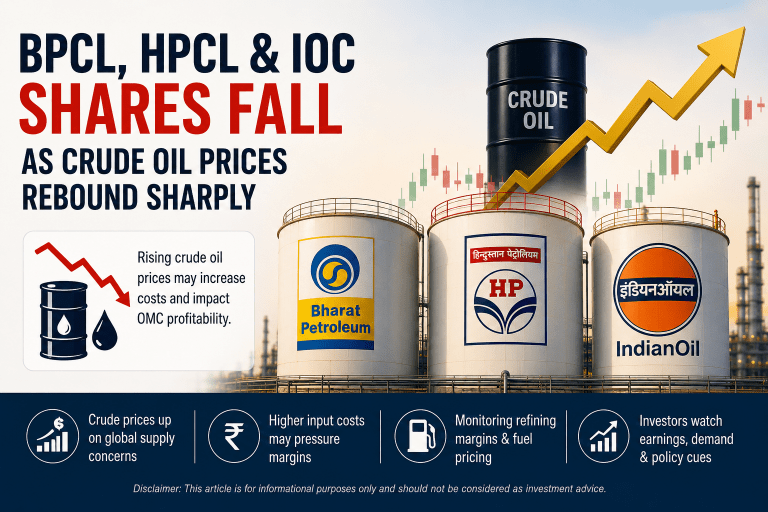
Oil Marketing Companies
Companies involved in refining and fuel marketing gained as lower crude oil prices can improve operating economics and profitability expectations.
Automobile Sector
Automobile manufacturers may benefit from lower input and logistics costs when fuel prices moderate.
Improved consumer sentiment can also support vehicle demand.
Mid-Cap and Small-Cap Stocks
Risk appetite expanded beyond large-cap stocks, resulting in gains across broader market segments.
This reflects increasing investor confidence and willingness to take exposure to growth-oriented opportunities.
Can the Market Rally Sustain?
Whether the rally continues will depend on multiple factors.
Geopolitical Developments
Markets will closely monitor any concrete progress regarding US-Iran negotiations.
Any setbacks or escalation in tensions could increase volatility.
Crude Oil Price Trends
A sustained decline in crude oil prices would likely remain supportive for Indian equities.
However, any sharp rebound could revive inflation concerns.
FII and DII Flows
Institutional investor activity remains an important driver of market direction.
Consistent inflows can provide support to valuations and market momentum.
Corporate Earnings
Future earnings growth will play a critical role in determining whether stock prices can sustain higher levels.
Strong earnings may reinforce investor confidence.
Domestic Economic Indicators
Investors will also track:
- Inflation data
- Industrial production
- Consumption trends
- GDP growth
- Monetary policy decisions
These indicators provide insights into the broader economic environment.
Risks Investors Should Keep in Mind
Although market sentiment has improved, risks remain:
Geopolitical uncertainty
Volatility in crude oil prices
Inflation pressures
Global economic slowdown
Currency fluctuations
Unexpected policy changes
Markets can react quickly to changes in any of these factors.
Frequently Asked Questions (FAQs)
Why did Sensex jump more than 900 points today?
The rally was driven by optimism surrounding a potential US-Iran peace agreement, falling crude oil prices, positive global market cues and improved investor sentiment.
How do lower crude oil prices benefit India?
Lower oil prices can reduce import costs, ease inflation, improve corporate profitability and support economic growth.
Which sectors gained the most during the rally?
Banking, oil marketing companies, automobile stocks and broader market segments such as mid-caps and small-caps were among the key gainers.
Can the stock market continue rising?
Future performance will depend on geopolitical developments, crude oil prices, institutional flows, earnings growth and domestic economic indicators.
Why do global events affect Indian stock markets?
Global developments influence investor sentiment, commodity prices, trade flows and foreign investment, all of which impact domestic markets.
Conclusion
The sharp rise in the Sensex and Nifty reflects improving investor confidence driven by hopes of easing geopolitical tensions, lower crude oil prices and supportive global market conditions. While these developments have provided relief to markets, the sustainability of the rally will depend on how geopolitical negotiations progress, whether crude oil prices remain stable and how corporate earnings and economic indicators evolve in the coming months.
Investors should focus on long-term fundamentals and monitor key macroeconomic developments rather than making decisions based solely on short-term market movements.
Disclaimer: This article is for educational and informational purposes only and should not be construed as investment advice, stock recommendations or a solicitation to buy or sell securities. Investors should conduct their own research and consult a SEBI-registered investment adviser before making investment decisions.