


A trading platform is a digital interface that enables investors to buy and sell a wide range of financial securities. Trading platforms in India are essential because they provide market access, real-time data, and execution tools that enable you to make informed investment decisions.
However, choosing the best trading platform is not easy. It requires you to evaluate several factors like transaction costs, analytical tools, interface usability, and customer support quality. In this article, we will look into how you can compare platforms systematically based on the above aspects and ensure that you choose one that aligns with investment goals and experience levels.
What is a Trading Platform?
A trading platform is an interface that enables you to buy and sell financial securities on a stock exchange like the National Stock Exchange (NSE) or the Bombay Stock Exchange (BSE). With it, you can freely buy and sell stocks, bonds, mutual fund units, and derivative contracts.
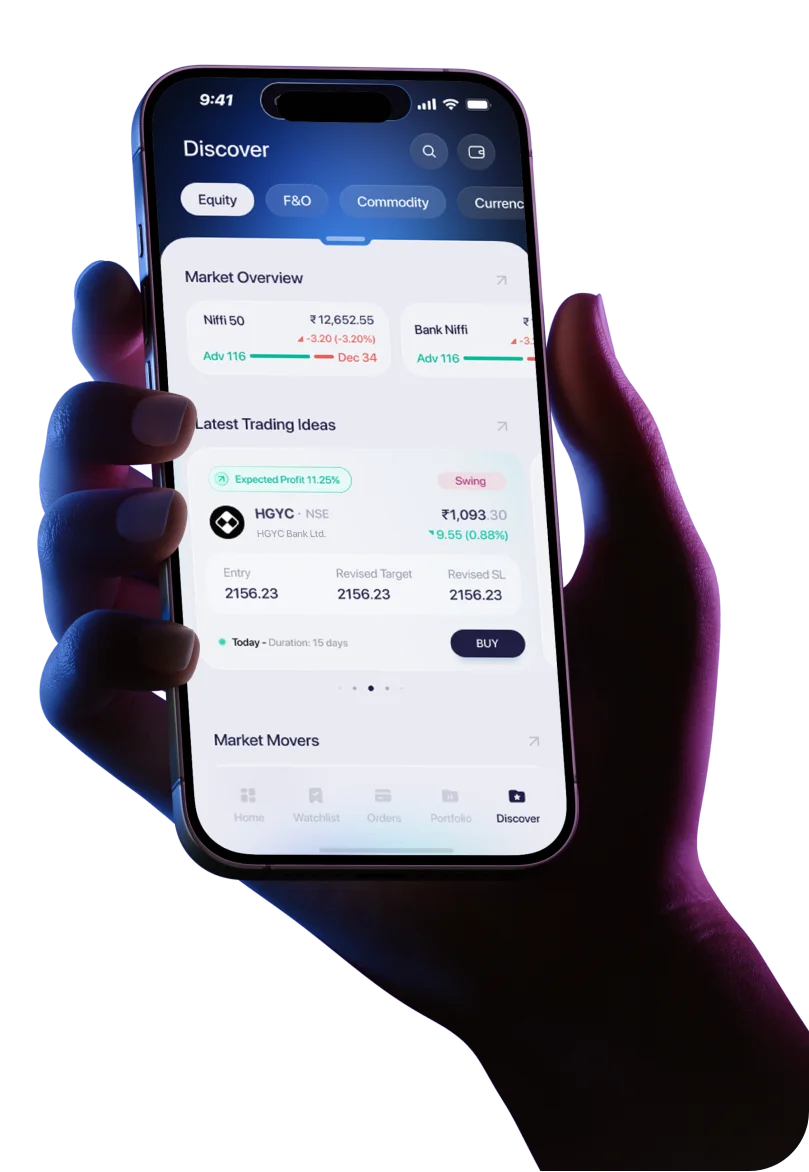
Modern trading platforms in India offer essential features, such as real-time price quotes, technical charts, multiple order types, comprehensive research tools, customisable alerts, and advanced analytics. These features help you make data-driven decisions and monitor market movements effectively.
One of the key advantages of trading platforms is that they are accessible through various formats. From web-based browsers and desktop applications to mobile apps for on-the-go trading, each format caters to different investor preferences and trading styles.
Key Factors to Consider When Choosing the Best Trading Platform
Selecting the best trading platform requires careful evaluation of multiple criteria. Here are some factors you must consider.
User Interface & Experience
A trading platform must offer clean layouts, logical menus, and streamlined workflows that minimise confusion and enable quick decision-making.
Brokerage & Fees
Hidden or high fees can significantly impact returns. Therefore, transparent pricing structures with lower per-trade costs, account maintenance charges, and margin interest rates are essential factors to consider when evaluating trading platforms in India.
Market Coverage
The trading platform must provide access to equity markets, derivatives, commodities, mutual funds, and currency trading. Comprehensive market coverage is necessary for proper portfolio diversification.
Research & Analysis Tools
Robust analytical features are hallmarks of the best trading platform for serious investors. So, make sure that the platform you opt for has advanced charting capabilities, technical indicators, real-time news feeds, and stock screener tools.
Speed & Reliability
Fast order execution and minimal downtime prevent missed opportunities and losses. A trading platform must maintain consistent uptime and process trades instantly, even during high-volatility periods.
Mobile App Functionality
The best trading platform delivers complete functionality, including access to the markets via smartphones. Therefore, when analysing platforms, look for real-time synchronisation and seamless performance across devices.
Customer Support & Education
A platform must have accessible tutorials, responsive helplines, and educational webinars to support trader development. It should prioritise user success through comprehensive support resources and learning materials.
Regulatory Compliance
Trading platforms in India must be registered with the Securities and Exchange Board of India (SEBI) and the stock exchanges. When evaluating the multiple options, focus on regulatory compliance.
Top 10 Trading Platforms in India (2026)
Identifying the top 10 trading platforms requires comparing features, costs, and usability. Here is a curated list that can help you make informed decisions based on your unique trading requirements and financial goals.
Platform | Key Features | Brokerage Charges | Best For | Mobile App Trading |
Samco Securities |
| Rs. 20 per order or 2.5% (whichever is lower) for delivery and intraday trades Rs. 20 per executed order for F&O trades | Beginners, active traders, and long-term investors | 4.5/5 |
Zerodha Kite |
| Zero brokerage on equity delivery trades Flat Rs. 20 or 0.03% (whichever is lower) for intraday trades across equity, currency, and commodity trades. Flat Rs. 20 on all option trades. | Active traders and long-term investors | 4.2/5 |
Upstox Pro |
| Rs. 20 per executed order or 0.1% (whichever is lower) for equity intraday trades | New and experienced traders | 4.2/5 |
5paisa |
| Flat Rs. 20 per order for all trades | Cost-conscious traders | 4.0/5 |
Angel Broking |
| Zero brokerage up to Rs. 500 for the first 30 days | Long-term investors | 4.2/5 |
ICICI Direct |
| 0.07% brokerage for equity delivery orders Flat brokerage of Rs. 20 for all other orders | Conservative traders and investors | 4.0/5 |
HDFC Securities |
| 0.50% to 2.5% for equity delivery trades 0.05% to 2.5% for futures trades 1% of the premium amount or Rs.100 per lot (whichever is higher) for options trades | Conservative traders and investors | 4.0/5 |
Motilal Oswal |
| 0.20% for equity delivery trades 0.02% for futures trades Rs. 20 per lot for options trades | Research-focused traders and investors | 4.2/5 |
Sharekhan |
| 0.30% on trade price for equity delivery trades Rs. 39 per lot for equity options and Rs. 5 per lot for commodity options 0.02% for equity and currency futures trades 0.10% for commodity futures trades | Beginners | 4.0/5 |
Kotak Securities |
| Rs. 10 per order for intraday and F&O trades | Conservative traders and investors | 4.0/5 |
How to Open a Demat Account?
A demat account is mandatory for investing in stocks and other financial securities. Therefore, understanding how to open a demat account is crucial.
Step-by-Step Guide
The following step-by-step guide can give you all the information you need on how to open a demat account in India.
Choose a Broker or Platform
Firstly, research and select a registered broker offering competitive fees, reliable technology, and comprehensive services that match your trading requirements.
Complete KYC
Then, complete the mandatory Know Your Customer (KYC) process. It involves submitting documents like PAN card, Aadhaar, and bank account information for identity verification and compliance.
Sign Agreement Forms Online or Offline
Review and digitally sign the account opening agreement via Aadhaar digisign, or visit the broker's office for physical documentation as preferred.
Receive DP ID & Client ID
Once you have signed and submitted all the documentation, the trading platform will verify it. After successful verification, you will receive a unique Depository Participant (DP) ID and client ID. These credentials are both essential to log into your trading account and conduct trades.
Fund the Account and Start Trading
Transfer funds from your linked bank account to your newly-opened trading account. Then, you can start placing buy orders for stocks and other financial securities.
Tips for First-Time Users and Beginners
Now that you know how to open a demat account, let us look at a few tips that can help make your trading and investment journey smoother.
- Compare multiple brokers' fee structures, margin rates, and service quality before choosing a platform.
- Start with a small investment amount to understand market dynamics and platform functionality before committing larger capital.
- Enable two-factor authentication and use strong passwords to protect your demat account from unauthorised access and security breaches.
- Utilise educational resources, demo accounts, and tutorials provided by platforms like Samco Securities for learning.
- Begin with a demo or virtual trading account if possible. These accounts let you practice trading without any risks and allow you to familiarise yourself with real market conditions.
- Use platform tutorials to understand charting patterns, technical indicators, and various order types before executing real trades.
- Avoid using margin trading facilities until you are experienced enough to manage leverage risks and financial losses confidently.
FAQs
Which is the best trading platform in India for beginners?
Samco Securities is the best trading platform in India for beginners. The platform offers an intuitive interface, educational resources, and low fees, making it an ideal starting point for new investors entering markets.
How to compare trading platforms in India?
To properly compare trading platforms in India, you must look at factors like brokerage fees, market coverage, mobile app quality, research tools, customer support responsiveness, and regulatory compliance.
What are the top 10 trading platforms with the lowest fees?
Samco Securities is among the top 10 trading platforms in India with the lowest fees. Others include Zerodha, Upstox, Angel One, and Groww.
How to open a demat account quickly online?
With Samco, you can open a demat account online within minutes by submitting PAN, Aadhaar, and bank details. Once you have submitted your details, Samco will complete verification and activation within 24 to 48 hours to give you access to the trading platform.
Conclusion
The best trading platform is one that provides you with a consistent user experience, manageable fees, comprehensive market coverage, research tools, and fast trade execution speed.
Now, it is important to note that every investor's needs differ. Therefore, when comparing trading platforms in India, remember to take your personal trading goals and experience level into consideration. Open a Samco Demat & Trading Account today and begin your wealth creation journey with advanced tools, competitive brokerage rates, and extensive market access.



 Easy & quick
Leave A Comment?