


Market Performance
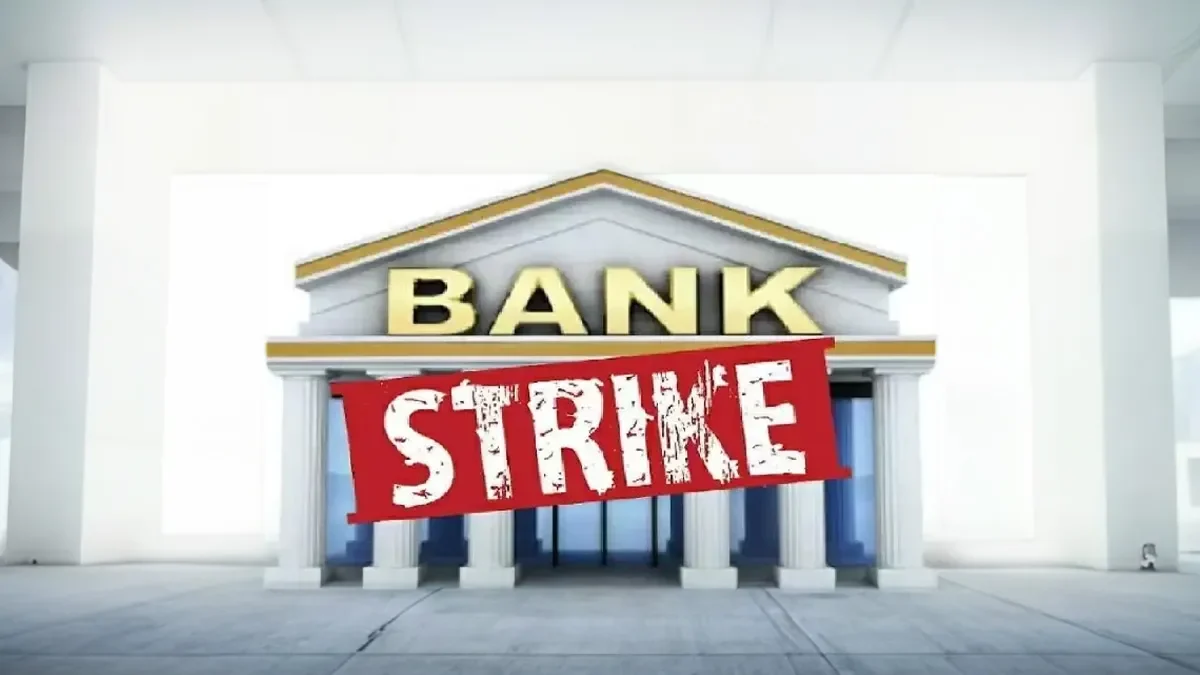
As the bank strike grips attention across India, banking stocks may remain in focus as investors track operational disruptions rather than balance sheet metrics. While markets continue to price in broader cues, the immediate impact of the strike is operational—affecting customer-facing services at public sector banks. The situation adds another layer of uncertainty for routine banking activity, especially after a prolonged weekend closure.
Main News: Nationwide Bank Strike Disrupts Services
Banking services at several public sector banks across the country are likely to remain affected on Tuesday due to a nationwide bank strike called by employee unions.
The United Forum of Bank Unions, which represents bank employees and officers nationwide, has announced the strike after discussions with the authorities failed to reach a settlement, leading unions to move ahead with the protest.
This bank strike comes after banks remained shut on Sunday and Monday, raising concerns of extended disruption for customers who depend on branch-level services.
Banking Services Likely to Be Affected
During the bank strike, customers may face issues with in-branch services, especially at public sector banks.
Key services that could see disruptions include:
- Cash deposits and cash withdrawals
- Cheque clearing services
- Passbook printing and updates
- Other over-the-counter banking services
Large PSU banks such as State Bank of India (SBI), Punjab National Bank (PNB), Bank of Baroda, and other government-owned lenders are expected to be impacted during the strike period.
Will Online Banking and UPI Work During the Bank Strike?
Despite the bank strike, digital banking services are expected to operate normally.
- UPI transactions are likely to remain functional
- Mobile banking and internet banking services should continue
- Online fund transfers are not expected to be disrupted
However, ATM cash availability could vary across locations. With reduced staff movement due to the strike, some ATMs may not be replenished on time, leading to temporary cash shortages in certain areas.
Private sector banks are not participating in the bank strike. Their branch operations and digital services are expected to function as usual.
Why Are Bank Unions on Strike?
The bank strike is centered around a long-standing demand for a five-day work week.
Bank unions are asking for all Saturdays to be declared holidays, bringing banks in line with other government offices and financial institutions that already follow a five-day schedule.
According to the unions, this demand was agreed upon earlier in principle but has not yet been officially implemented. The unions believe that a five-day work week would:
- Improve work-life balance for bank staff
- Reduce employee burnout
- Align banking hours with other public institutions
The lack of formal implementation has led to renewed protests in the form of this nationwide bank strike.
What This Bank Strike Means for Customers?
For customers, the bank strike could result in three consecutive days of limited branch services, following Sunday and Monday holidays.
This may lead to delays in:
- Routine cash-related transactions
- Cheque processing
- In-person service requests
Customers are advised to plan essential banking work in advance and rely on digital banking channels wherever possible during the bank strike period.
Company Details
- Organising Body: United Forum of Bank Unions (UFBU)
- Banks Affected: Public Sector Banks
- Banks Not Affected: Private Sector Banks
- Nature of Disruption: Branch-level services
- Key Demand: Implementation of a five-day work week
Summary of the Article
The bank strike scheduled for Tuesday is expected to disrupt branch-level services at public sector banks across India. While digital banking platforms like UPI and mobile banking should remain operational, customers may face difficulties accessing in-person services such as cash withdrawals and cheque clearances.
With banks already shut for two days prior, the strike could extend service disruption, making it important for customers to plan ahead. The strike is driven by unions demanding a five-day work week, a proposal that remains pending despite earlier discussions.
For now, the focus remains on smooth digital access and timely planning as the bank strike unfolds.
Source: India Today




 Easy & quick
Leave A Comment?