Candlestick patterns are among the most widely used tools in technical analysis. They help traders understand the balance between buyers and sellers by analysing price movement over a specific period. While many candlestick formations exist, a few stand out because of their ability to signal meaningful shifts in market sentiment.
Among these, the Bullish and Bearish Engulfing patterns are considered powerful reversal signals. These patterns highlight moments when the control of the market shifts from sellers to buyers or from buyers to sellers. Traders often use them to identify potential turning points in price trends.
Recognizing engulfing patterns can help traders time trend reversals with greater confidence — but only when they understand the context, confirmation signals, and proper risk management. In this guide, we will explore how these patterns work, how to identify them using tools like Chartink scans and Angle FIN candles, and how traders can apply them in real trading strategies.
What Is a Candlestick Pattern?
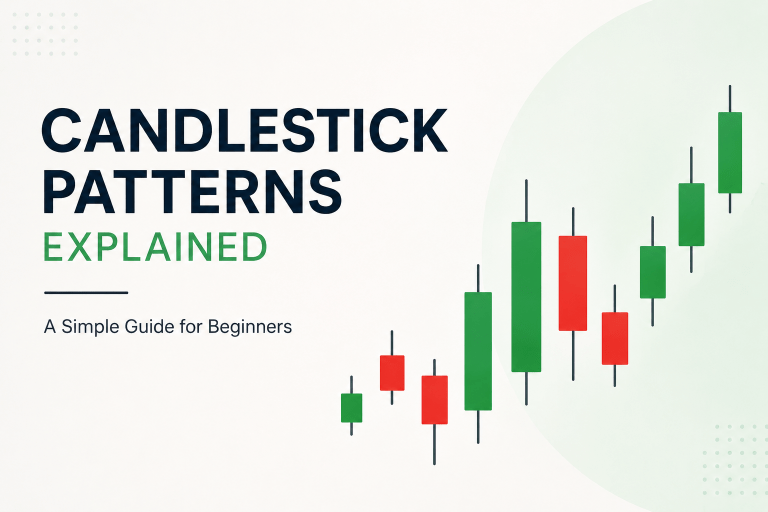
A candlestick pattern represents the price movement of an asset during a specific time period. Each candlestick shows four key pieces of information:
- Opening price
- Highest price
- Lowest price
- Closing price
The rectangular portion of the candle is called the body, while the thin lines extending above or below it are called wicks or shadows.
Candlestick charts originated in Japan several centuries ago and were originally used by rice traders to analyse price behavior. Today they are used globally across equities, commodities, currencies, and derivatives markets.
What makes candlestick patterns useful is that they reflect market psychology. Every candle captures the battle between buyers and sellers within that timeframe.
However, candlestick patterns should never be viewed in isolation. Their effectiveness depends heavily on factors such as:
- The prevailing trend
- Trading volume
- Timeframe being analysed
When interpreted correctly within this context, candlestick patterns can offer valuable clues about potential trend changes.
Bullish Engulfing Pattern Explained
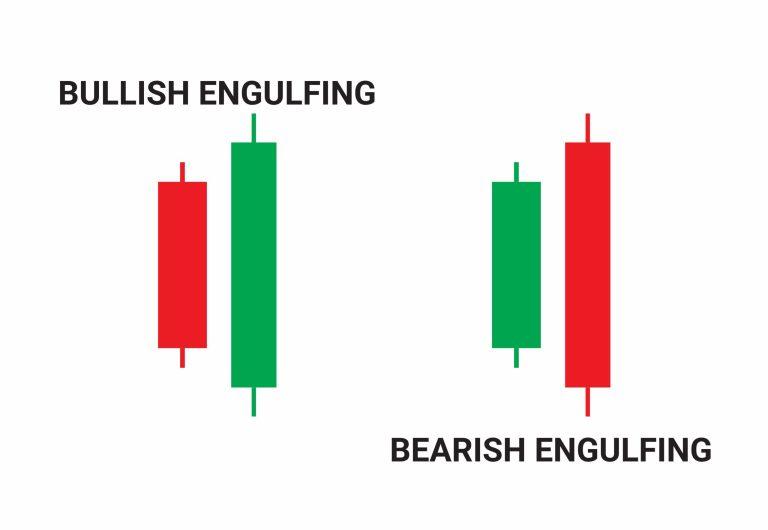
The Bullish Engulfing Pattern is a reversal formation that typically appears during a downtrend. It consists of two candles.
The first candle is a small bearish candle that reflects continued selling pressure. The second candle is a larger bullish candle whose body completely engulfs the body of the previous candle.
Key Characteristics
A valid bullish engulfing pattern usually has the following traits:
- Appears after a downward price movement
- The second candle is bullish and larger than the previous candle
- The body of the bullish candle fully engulfs the body of the bearish candle
- Higher trading volume strengthens the signal
Market Psychology Behind the Pattern
The first candle suggests that sellers are still in control of the market. However, the next session opens and strong buying pressure emerges. Buyers push prices higher and completely erase the previous candle’s losses.
This shift shows that market sentiment may be changing from bearish to bullish.
Bullish Engulfing Pattern Example
In many bullish engulfing pattern Chartink scans, traders look for conditions such as:
- Current candle close greater than previous candle open
- Previous candle being bearish
- Current candle body engulfing the previous candle body
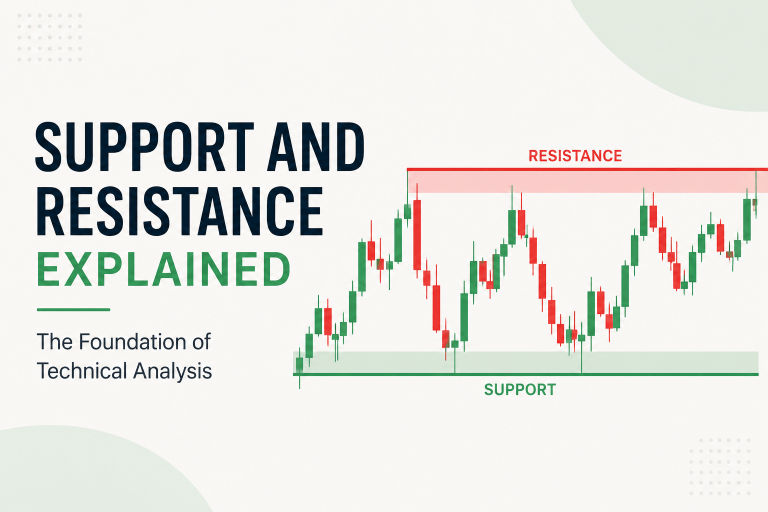
When this pattern appears near strong support levels, it often attracts attention from traders expecting a short-term rebound.
Common Mistakes
One frequent mistake is misinterpreting candle wicks. For a true engulfing pattern, the body of the second candle must engulf the body of the previous candle, not just the shadows.
Another mistake is trading engulfing patterns during sideways markets where signals can frequently fail.
Bearish Engulfing Pattern Explained
The Bearish Engulfing Pattern is the opposite of the bullish version. It typically appears near the end of an uptrend and signals a possible downward reversal.
Like its bullish counterpart, it consists of two candles.
The first candle is a smaller bullish candle, indicating continued buying. The second candle is a larger bearish candle whose body completely engulfs the previous bullish candle.
Key Traits
- Appears after an upward trend
- Second candle is strongly bearish
- Full body engulfment of the previous candle
- Volume confirmation strengthens the pattern
Market Psychology
Initially, buyers continue pushing prices higher. However, strong selling pressure emerges during the next session. Sellers overwhelm buyers and push the price down sharply, engulfing the previous bullish candle.
This shift suggests that buyers are losing control and sellers may begin dominating the market.
Bearish Engulfing Pattern Example
In a bearish engulfing pattern example, traders typically observe:
- Previous candle closing higher
- Current candle opening near the prior close
- Strong bearish move closing below the previous candle’s open
When such a pattern forms near resistance levels, it may indicate that the upward momentum is weakening.
Common Pitfalls
Traders sometimes assume that every bearish engulfing candle will trigger a strong downtrend. However, if the broader trend remains strong, the pattern may only lead to a temporary pullback rather than a full reversal.
Angle FIN and Pattern Detection Tools
Many Indian traders use software tools to identify candlestick patterns quickly. Platforms such as Angle FIN and Chartink help scan thousands of stocks for specific setups.
Angle FIN Candle Recognition
Angle FIN tools automatically detect common patterns such as:
- Bullish Angle FIN candle formations
- Bearish Angle FIN pattern setups
These tools highlight potential engulfing formations on charts, saving traders time in manual scanning.
Using Chartink for Engulfing Patterns
Chartink allows traders to build scanners that identify engulfing patterns across the market.
For example, a bullish engulfing pattern Chartink scan may include conditions such as:
- Current close greater than previous open
- Current open lower than previous close
- Previous candle bearish
Similarly, a bearish engulfing Chartink scan looks for the opposite conditions.
Using such scanners helps traders identify candidate stocks quickly. However, the results should always be verified visually on charts before taking trades.
How to Trade Bullish and Bearish Engulfing Patterns?
Engulfing patterns can be incorporated into structured trading plans. A simple approach involves the following steps.
Step 1: Identify the Trend
Always begin by analysing the broader trend. Bullish engulfing patterns are more reliable in downtrends near support, while bearish engulfing patterns work better near resistance during uptrends.
Step 2: Confirm the Pattern
Wait for the engulfing candle to close before acting. Entering before confirmation can lead to premature trades.
Step 3: Check Volume
Higher trading volume during the engulfing candle indicates stronger participation and increases the reliability of the signal.
Step 4: Entry Strategy
For bullish patterns, traders often enter slightly above the high of the engulfing candle.
For bearish patterns, entry may occur below the low of the engulfing candle.
Step 5: Stop-Loss Placement
Risk management is essential.
- Bullish pattern stop-loss: below the low of the engulfing candle
- Bearish pattern stop-loss: above the high of the engulfing candle
Step 6: Target Setting
Many traders use risk-reward ratios such as 1:2 or 1:3 to determine profit targets.
These patterns can work across multiple timeframes including intraday charts, daily charts, and weekly charts.
Common Mistakes and How to Avoid Them
New traders often misuse engulfing patterns because they focus only on the pattern itself.
One common mistake is ignoring the broader trend. Engulfing signals are far less reliable when they appear randomly in sideways markets.
Another issue is failing to consider volume. Weak volume during the engulfing candle may indicate a lack of conviction behind the move.
Some traders also rely entirely on automated scans without reviewing the chart structure. This can result in trades based on misleading signals.
Finally, trading illiquid stocks can increase the risk of slippage and unreliable patterns.
Careful confirmation and disciplined execution can significantly improve the reliability of engulfing setups.
Real-Life Chart Examples
Consider a scenario where a stock has been declining for several sessions and approaches a strong support zone.
A small bearish candle forms, followed by a strong bullish candle that completely engulfs the previous candle’s body. Volume increases significantly during the bullish candle.
Traders observing this setup may anticipate a short-term reversal and enter long positions above the engulfing candle’s high.
Similarly, in an uptrend, a bearish engulfing candle forming near resistance can indicate that buyers are losing momentum. A trader might initiate short positions once the candle closes and price breaks the pattern’s low.
Chart scanning tools like Chartink or Angle FIN can help identify such patterns across multiple stocks quickly.
FAQs
What is the difference between bullish and bearish engulfing patterns?
A bullish engulfing pattern signals a potential upward reversal, while a bearish engulfing pattern indicates a possible downward reversal.
How reliable are engulfing patterns?
Their reliability improves when combined with trend analysis, support or resistance levels, and volume confirmation.
Can engulfing patterns predict strong reversals?
They can signal potential reversals, but confirmation from other indicators or price structure is important.
Which indicators work well with engulfing patterns?
Moving averages, RSI, and volume indicators are commonly used for confirmation.
Do engulfing patterns work in all markets?
Yes, they can be applied to equities, futures, commodities, and forex markets.
Conclusion
Bullish and bearish engulfing candlestick patterns are powerful tools for identifying potential market reversals. By analysing how the second candle overwhelms the previous candle, traders gain insight into shifts in market sentiment.
However, engulfing patterns should always be interpreted within the context of the broader trend, volume conditions, and support or resistance levels. Used correctly, they can provide valuable trade signals across different timeframes and markets.
Like all technical tools, engulfing patterns are not guarantees. Successful trading depends on disciplined execution, proper confirmation, and sound risk management.